Dr. Christopher Connolly is a board-certified internal medicine physician at Inova Primary Care with more than 24 years of clinical experience.
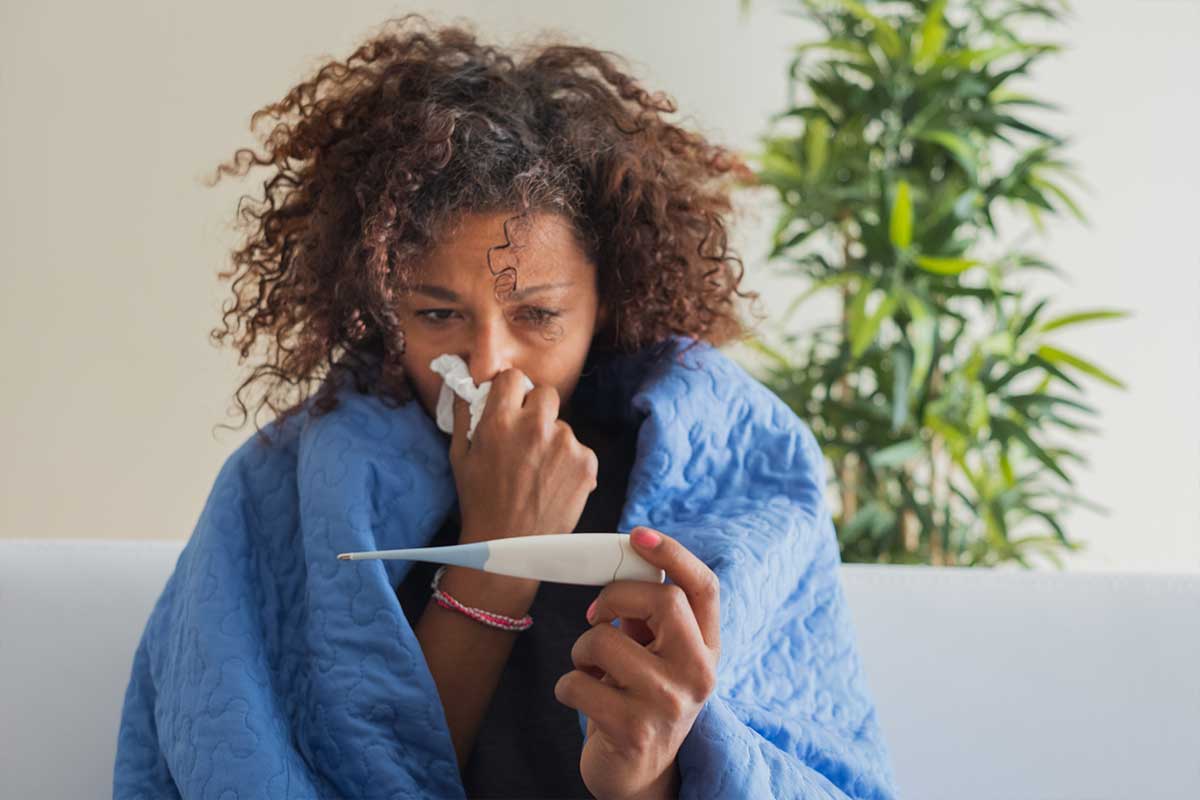
It might start as a sniffle or a headache. You know you’re coming down with something — but what? Is it just a cold? Or could it be RSV, the flu or COVID-19? Do you need to call your doctor or just hit the couch?
You can often tell these viruses apart — if you know what to look for. From there, you can determine when you need to seek medical care.
Different Viruses, Different Symptoms
At first glance, colds, flu, RSV, and COVID-19 can look alike. All of them can start with symptoms that feel like a “head cold.” But a closer look reveals that these illnesses have some key differences.
Common Cold Symptoms
The mildest of these viruses, the common cold, usually doesn’t require a doctor’s visit. You probably have a cold if your symptoms come on slowly and get worse over a period of one to three days.
Common cold symptoms usually include the following:
- Cough, which can be dry or productive (coughing up phlegm)
- Fatigue (typically mild)
- Runny or stuffy nose
- Sneezing
- Sore or scratchy throat
- Watery eyes
A cold will usually not cause:
- Body aches
- Headache
- High fever
- Loss of taste or smell
- Wheezing
Signs of the Flu
The flu tends to make people more miserable than a cold. One of the first signs that it’s not a cold is its sudden onset. Within hours, you go from feeling fine to feeling terrible. If you have the flu, your symptoms may include the following:
- Body and muscle aches
- Chills
- Dry cough
- Fatigue (often severe)
- Headache
- High fever up to 104 degrees Fahrenheit, which lasts up to 4 days
- Lack of appetite
- Vomiting or diarrhea (usually in children)
It’s less common for people with the flu to experience:
- Productive cough
- Stuffy or runny nose
- Wheezing or trouble breathing
Spotting Symptoms of RSV
Respiratory syncytial virus feels like a common cold to most young, healthy adults. But it’s not “just a cold.” Thousands of people — mostly adults over age 65 and infants — are hospitalized or die each year from RSV.
Symptoms of RSV often come on in stages and last a total of seven to 14 days. Healthy adults may experience cold-like symptoms such as:
- Dry cough
- Headache
- Runny nose
- Sneezing
- Sore throat
Babies under 12 months of age and adults over age 65 may have more serious symptoms, including the following:
- Barking cough
- Cough with a lot of mucus
- Fever
- Irritability
- Loss of appetite
RSV can become severe and cause trouble breathing, which can be life-threatening. Seek emergency medical care if you notice:
- Blue lips or fingernails
- Nostrils flaring
- Rapid breathing
- Wheezing
COVID-19 Symptoms
The current COVID-19 variant causes gradual, cold-like symptoms in most people. But like RSV, COVID-19 can be serious in older adults and people with other medical conditions.
The most common symptoms of COVID-19 include the following:
- Body and muscle aches
- Cough
- Diarrhea or vomiting
- Fatigue
- Fever and chills
- Headache
- Loss of taste or smell
- Runny or stuffy nose
- Sore throat
Loss of taste or smell is a telltale sign of COVID-19. This symptom is much less common with other illnesses.
When to Recover at Home
Most of the time, people recover from these infections on their own, but there are exceptions. RSV can be dangerous for infants and older adults. COVID-19 and flu are more serious for older adults and people with other health issues.
The best course of action with a mild virus is to stay home to avoid spreading the illness to others. If you don’t have other health conditions or a weakened immune system, you can:
- Drink plenty of water or other non-caffeinated, non-alcoholic beverages;
- Rest as much as possible;
- Take over-the-counter acetaminophen or ibuprofen to relieve symptoms;
- Use nasal saline for a stuffy nose.
If you’re concerned about any symptoms, don’t wait it out. Contact your primary care provider or head to an urgent care facility. Many medical offices offer telehealth visits so you can discuss your symptoms without leaving home.
When You Need a Test
Most medical offices can do rapid tests for COVID-19, the flu, and RSV. Testing can be helpful:
- It tells your provider what kind of treatment you may need. For example, some people may benefit from antiviral medication for COVID-19 or the flu.
- It helps you protect others. If you find out you have RSV and you plan to be around a baby, for example, you could reschedule your visit.
Consider testing if you:
- Are over age 65;
- Have health conditions like diabetes, heart, lung or kidney disease, HIV, or obesity;
- Will have contact with someone at risk of severe illness, such as a baby, older adult, or immunocompromised person;
- Take immunosuppressant medications (medications that weaken the immune response);
- Work in a daycare or nursing home.
When It’s an Emergency
No matter what virus you have, some symptoms always require immediate medical treatment. Get emergency care if you or your loved one has:
- Bluish lips or fingernails
- Chest pain
- Dizziness
- Fever over 103 degrees Fahrenheit
- Sudden confusion
- Trouble breathing
- Wheezing
Stop Illness Before It Starts
When it comes to any illness, prevention is critical. You can help reduce your risk of getting sick if you:
- Avoid being around people who are currently sick;
- Get at least seven hours of quality sleep each night;
- Wash your hands regularly, especially after using the bathroom and before eating or preparing food.
But even with the most diligent handwashing, you can still be exposed to viruses. Help protect yourself by getting vaccinated.
- COVID-19: Vaccines protect against severe COVID-19 complications and lower your chances of getting long COVID. Vaccines are available for everyone six months and older, so talk with your provider to make sure you’re up to date.
- Flu: The flu vaccine reduces the risk of serious illnesses and hospitalizations and may reduce the length of symptoms. Everyone six months and older should get an updated flu shot yearly to protect against current flu viruses.
- RSV: The RSV vaccine is available to anyone who is pregnant or at least 60 years of age. Getting the vaccine during pregnancy helps protect your newborn from RSV. Talk with your provider about whether this vaccine could benefit you.
Everyone gets sick sometimes. No matter what level of care you need, Inova is here for you. Inova offers many convenient primary care locations across Northern Virginia and beyond. For urgent needs, our Go-Health Urgent Care provides same-day, walk-in and virtual care. Inova’s expert Emergency Care team can handle any life-threatening emergency.
Feature image, stock.adobe.com
For more expert advice, subscribe to Northern Virginia Magazine’s Wellness newsletter.