Looking for ways to give back to the community during your retirement? Volunteering can be a meaningful way to stay active, connect with others, and use your years of life experience to make a difference. And Northern Virginia offers a variety of volunteer opportunities for seniors, including youth mentoring programs, local nonprofits, and county programs. Retirees can find purpose through service and help their neighbors while enriching their own lives in the process.
“Volunteering kind of opens up this space for people where they can use their talents and their time and find purpose,” says Emily Swenson, the volunteer solutions supervisor for Fairfax County.
Beyond giving back, volunteering in retirement offers a range of personal benefits, like improved mental and physical health and a renewed sense of purpose and community connection.
According to a 2021 study published in the American Journal of Preventive Medicine, older adults who volunteer at least 100 hours per year see meaningful improvements in their mental and physical health. Researchers analyzed data from nearly 13,000 U.S. adults over the age of 50 and found that those who increased their volunteer hours had lower mortality rates, fewer physical limitations, and reported greater optimism, sense of purpose, and reduced feelings of loneliness.
And while volunteering didn’t reduce the risk of chronic conditions like diabetes or heart disease, it was linked to healthier blood pressure and increased physical activity. These findings highlight how giving back can enhance personal well-being while also strengthening communities.
“It really builds community for that volunteer. And definitely decreases — if they’ve had it — their sense of isolation or loneliness, because they feel needed,” says Swenson.
Whether you’re passionate about animals, history, helping those in need, or you simply enjoy being part of local events, there are countless ways to get involved in Northern Virginia. Each opportunity offers a meaningful way to stay engaged and make a lasting impact.
Lend a Hand at a Food Bank
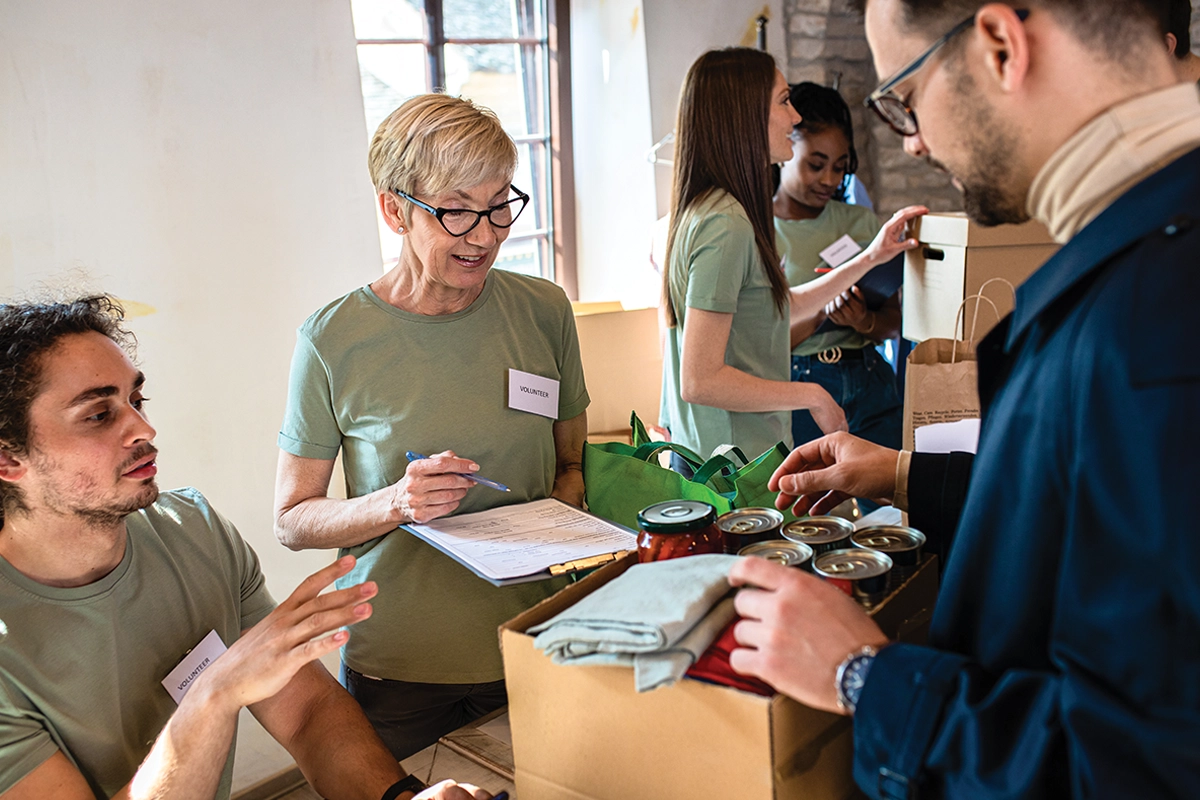
Volunteering at a food bank like Food for Others or Northern Virginia Food Rescue is one way to make a difference in retirement. Volunteers can take part in essential tasks such as sorting and packing donations, preparing meals, or helping with food distribution. Many also support outreach and education initiatives that raise awareness about food insecurity in the community.
Along the way, older volunteers can stay physically active and sharpen existing skills, while also developing new ones. More importantly, it fosters connections and purpose, giving retirees the chance to strengthen their communities while continuing to grow in their new chapter.
Make a Difference at the Animal Shelter
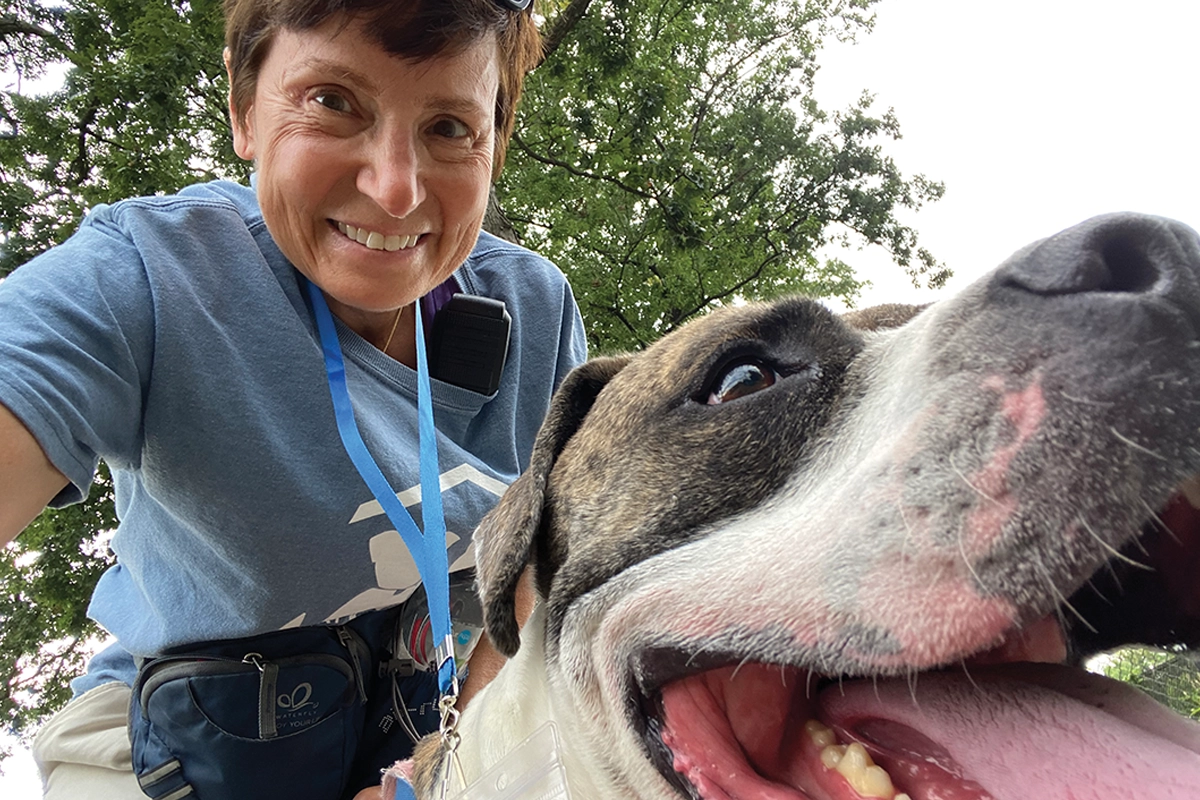
At the Fairfax County Animal Shelter, senior volunteers are essential to the daily care of animals and the success of shelter programs. “They are vital. They do so much for us,” says Rebecca Cavedon, the shelter’s communications manager. “The senior volunteers bring so much knowledge, experience, heart, and passion. We are so grateful for them for not only the way they engage with our animals, but also our community and staff.”
Senior volunteers help with walking dogs, playing with cats, cleaning enclosures, greeting visitors, and assisting at community events. They can also help with advocacy efforts, fundraising, and special programs like Reading Tails, where children read aloud to shelter pets.
“We have a lot of volunteers who are seniors, and we are so grateful for them and the time they give to us. They are vital to our mission,” says Cavedon. “It’s great because we have so many different opportunities for people who want to do different things. There is a role for everybody.”
Kelly Wormeli, 63, began volunteering shortly after retiring from her career in IT. “I basically jumped right into volunteering after I left my professional life,” she says. Wormeli now walks and plays with shelter dogs, mentors new volunteers, and assists with monthly vaccine and microchip clinics. “I choose to engage in the community because I feel like I want to be part of something bigger than myself,” she says. “You might be a person who likes to do data entry, dishes, laundry, talk to the public, or answer questions. All of those are very valid and needed roles at the shelter.”
For Genevieve Walker, 68, volunteering filled a gap after retiring from her federal government job as an environmental protection specialist.
“I adopted a terrific dog from the Fairfax County Animal Shelter a while ago and always wanted to give back to the shelter for giving me such a wonderful companion,” she says. “As retirees, it’s kind of hard sometimes to find that community because we are used to it from work, and that suddenly is cut off. To have a warm, inviting environment like the shelter is so good for my mental and physical health.”
Volunteer as a Museum Docent
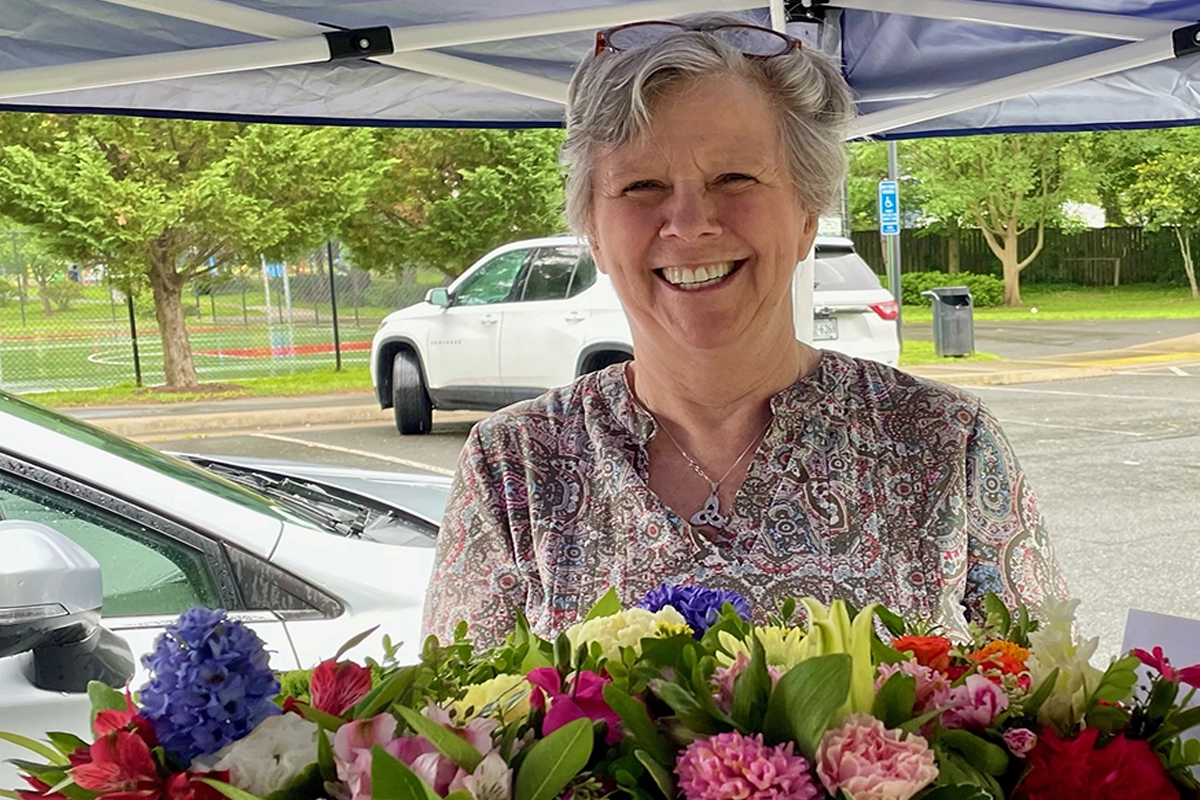
For seniors seeking a way to stay mentally sharp and socially connected, volunteering at a museum can also be an ideal fit. As docents, volunteers lead tours, share expertise, and help visitors of all ages engage with art, history, and culture. Their life expertise and institutional knowledge add depth to educational programs, while their presence supports public events and community outreach.
Many also help with modern exhibits and digital literacy efforts, embracing technology as part of lifelong learning. In return, senior volunteers enjoy intellectual stimulation, personal connection, and a renewed sense of purpose. Whether they’re guiding school groups or helping behind the scenes, museum docents make a lasting impact. In Northern Virginia and DC, you can find information on how to become a docent at museums like the Air and Space Museum, the Natural History Museum, or the National Portrait Gallery on the museums’ websites.
Find New Opportunities
Fairfax County hosts a Volunteering Fair at the Springfield Town Center on October 5 with dozens of exhibitors, including government agencies, nonprofits, and local businesses. It will also provide helpful information regarding retirement communities, home remodeling, financial planning, health care, travel, and fitness.
It’s never too early or too late to volunteer in retirement. “Our oldest volunteer is 90, and about 64 percent of our volunteers are over the age of 60,” Swenson says. “If you’ve never volunteered before, you’re missing out. If you’ve volunteered before and you’ve got more time now, it’s a great opportunity to invest it in something that gives back to you and your community.”
As Walker says, “As a person who isn’t in the workforce anymore, it’s really hard sometimes to know how to fill those hours, and volunteering is a wonderful way to do it for whatever organization you are interested in.”
Feature image, Zoran Zeremski/stock.adobe.com
This story originally ran in our September issue. For more stories like this, subscribe to Northern Virginia Magazine.