We all need to do our part to reduce waste — including as pet owners. But the changes don’t necessarily need to be difficult or expensive. Here are a few practical suggestions for sustainable pet care that won’t break your budget.
- Wait until the items you are currently using wear out or run out before replacing them with more eco-friendly options. Start with products that you replace regularly, such as treats, waste bags, and food, and support local producers or smaller brands when possible.
- Consider buying in bulk or using refillable systems, especially for items like dry pet food or shampoos.
- Buy pet food and snacks made from eco-friendly sources of protein. “We encourage pet parents to choose whole-food-based diets with minimal processing and sustainably sourced ingredients when possible. Not only does this support your pet’s health, but it also reduces the environmental impact of long-distance shipping and excessive packaging,” says Jill D’Agostino, owner of Fruffy’s Holistic Pet Supplies in Manassas.
- Check local online communities for gently used pet items.
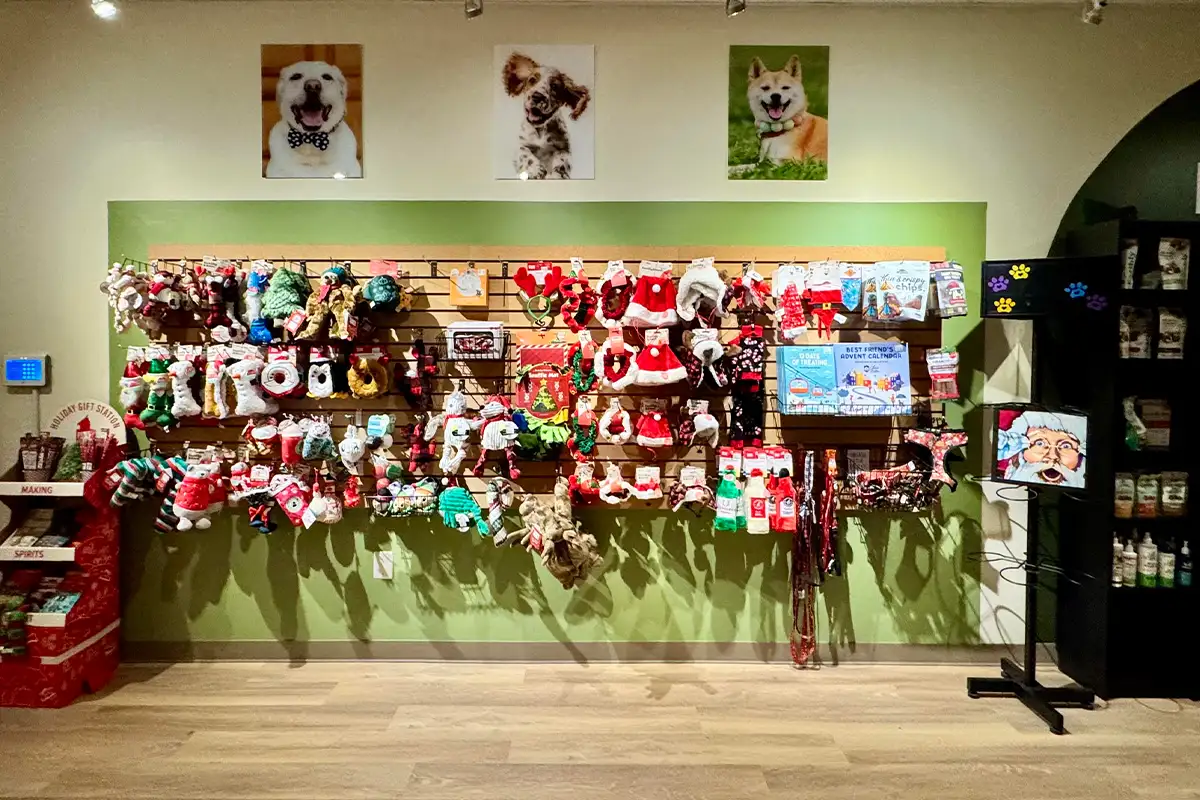
- When buying toys, look for ones “made from recycled materials, natural fibers like hemp or bamboo, or organic cotton,” advises Chris Gabriel, owner of Nature’s Nibbles in Alexandria. You can also find leashes and harnesses made from eco-friendly materials like cork, recycled polyester, hemp, and upcycled bicycle inner tubes.
- Try grooming products made without harsh chemicals, solvents, or artificial scents. Shampoo bars made with natural ingredients require less water to make and don’t come in bulky plastic packaging. Pet toothbrushes, brushes, and combs made from sustainable bamboo are long-lasting and recyclable.
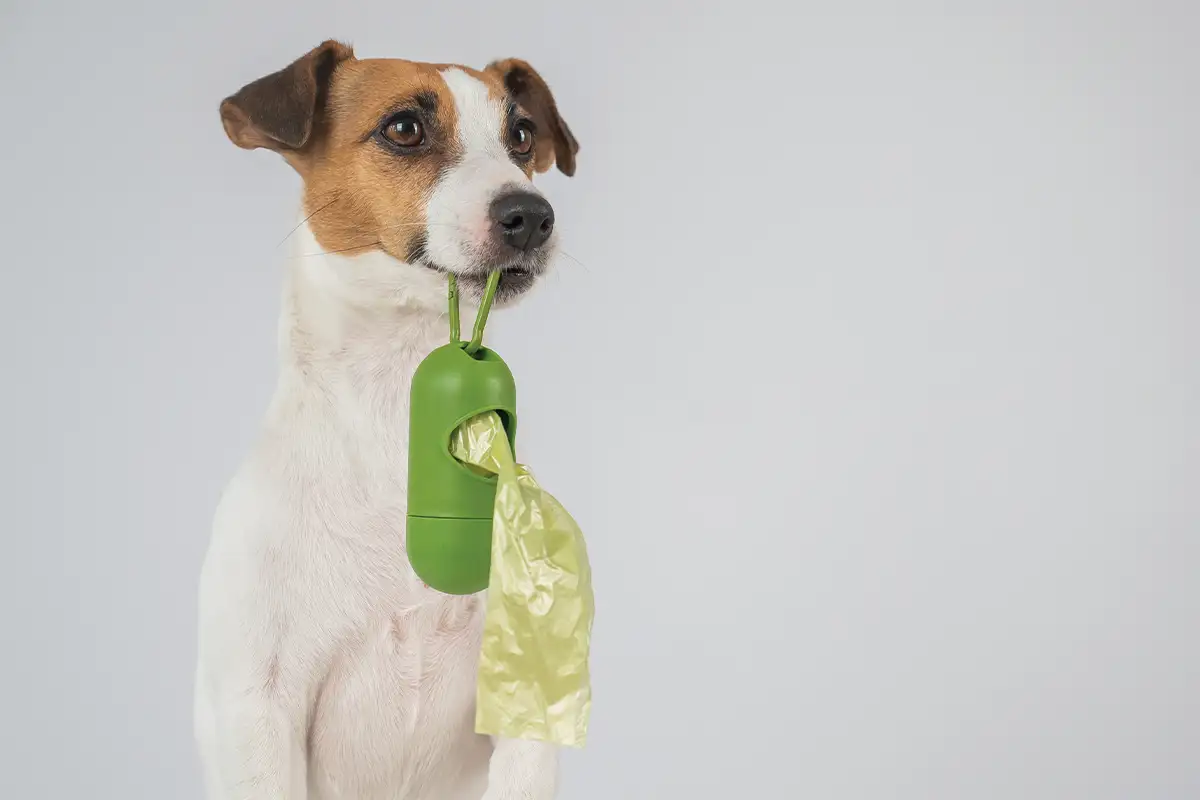
- Dog waste bags made from recycled plastic, recycled non-chlorine bleached paper, or upcycled corn and plant starches all reduce harmful plastic waste. Biodegradable waste bags reduce plastic pollution in landfills and oceans. For cat owners, look for litter made with natural ingredients, and options that disintegrate in water and are flushable and compostable.
Sources: petzooie.com; hepper.com
Feature image, stock.adobe.com
This story originally ran in our October issue. For more stories like this, subscribe to Northern Virginia Magazine.