This is part of our August cover story, which also highlights the work of NoVA cold case squads, information about 11 unsolved cold cases, and includes information about advancements in DNA technologies.
Imagine what life was like in 1973, the year a young Black woman was found shot to death on Foundry Road in rural Lincoln, just south of Purcellville.
Without victim identification or witnesses, investigators were stumped. Loudoun’s Jane Doe and her killer left few clues. There were no cellphone towers tracking calls, GPS systems, license plate readers, or electronic purchasing information. There were no video cameras at gas stations and restaurants or on toll booths, traffic lights, and home doorbells.
None of the cross-matched, computerized databases that crime investigators rely on today had been developed yet. And most importantly, collection, analysis, and comparison of one of the most powerful forensic tools — human DNA — would not become central to crime investigations until 1986, more than a decade after Jane Doe’s murder.
The most investigators could do in 1973 was collect obvious evidence, which in this case included removing the victim’s mandible in hopes of an eventual match via dental records. With no new leads, Jane Doe’s case plunged from cold to frozen for nearly half a century.
Forensic Defrost
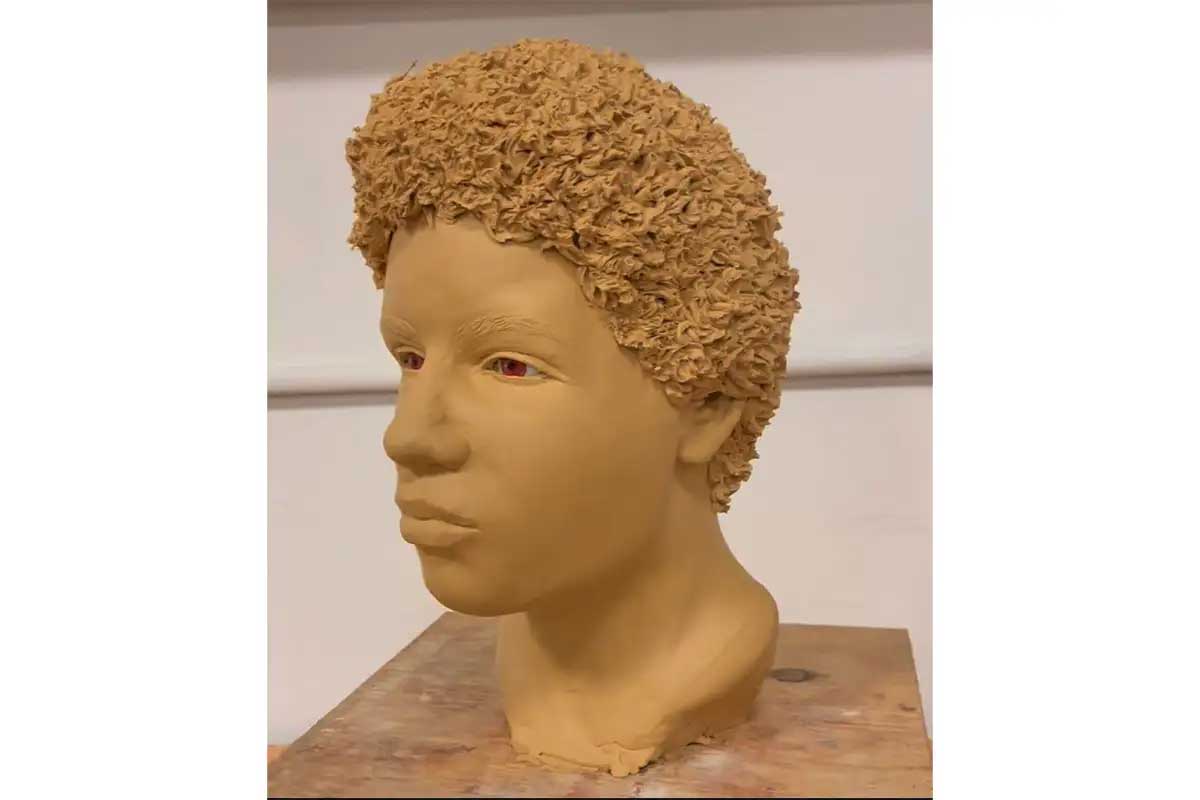
Armed with new forensic tools, Loudoun County Detective Jorge Garcia is now on track to finally identify Jane Doe — and hopefully her killer. The first step was giving her a face, a feat accomplished using ground-penetrating radar to locate and exhume her remains in 2023, followed by the creation of a sculpted bust and facial renderings by forensic artist Joe Mullins, an adjunct professor in the forensic science program at George Mason University.
Using scanning devices and imaging technology, a 3D model of Jane Doe’s skeletal remains was digitally preserved for widespread sharing. “Her image needs to reach as many eyes as possible,” Mullins says. “None of this collaboration works unless the right person sees and recognizes her face. In 1973, someone got away with murder. Someone knows something, so these images need to go national.”
DNA Breakthroughs
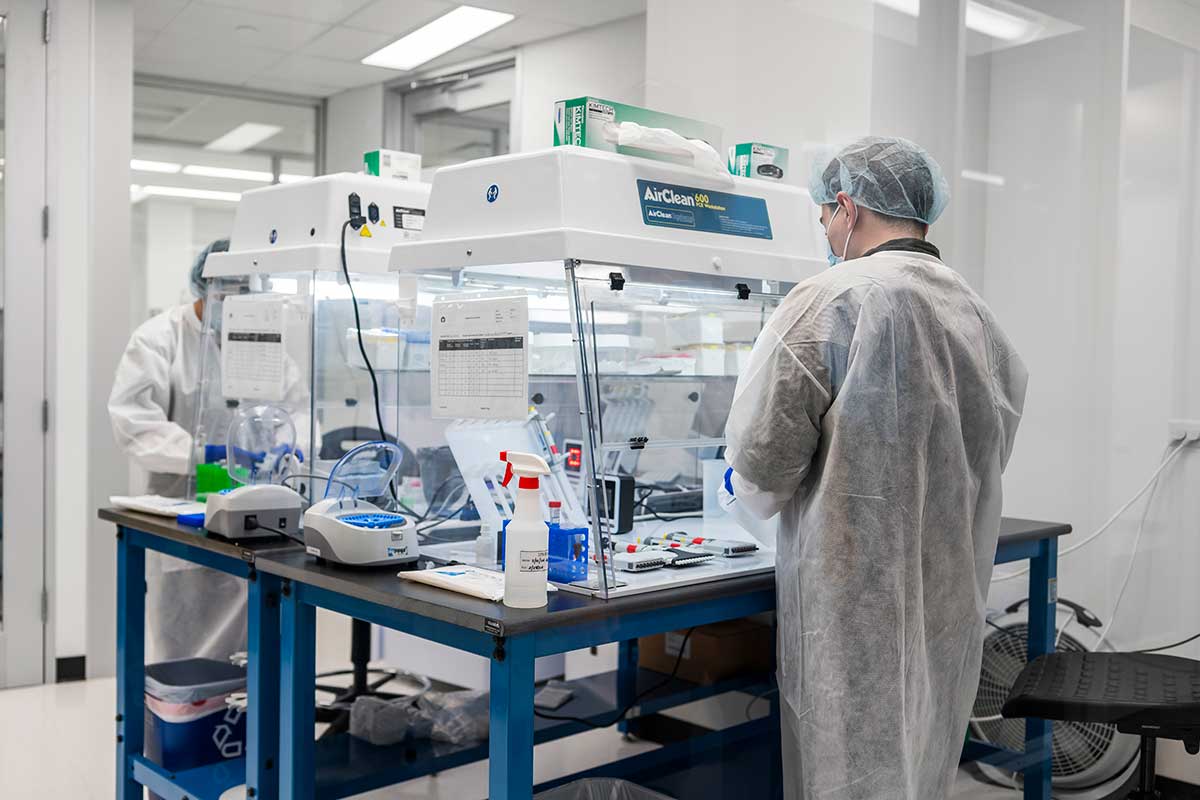
Working to help solve Jane Doe’s identity is Texas-based Othram Inc., a company that developed Forensic-Grade Genome Sequencing. This technology uses advanced DNA sequencing to analyze forensic samples, even if degraded or contaminated, to create genetic profiles and kinship analysis.
“Our role in this case is to build high-performing, highly sensitive DNA profiles from the remains of this individual that can lead to identification through forensic genetic genealogy,” says Othram Director of Case Management Michael Vogen.
“We were able to develop a great profile, and our in-house genealogy team is working on building out family trees,” says Vogen. “We’ve already found distant matches, so it’s just a matter of time before we get much closer. A strong new match just became available on the database, so we will be giving a report to the detective soon with updated leads. Hopefully, that person can help identify other family members who are more closely related. I’m confident we’re going to get an answer — it’s just a matter of when.”
A Powerful Tool
Othram has assisted with other Northern Virginia cold case investigations. In 2022, FCPD teamed with Othram to identify the remains of a homicide victim found in McLean in 2001 as Patricia Agnes Gildawie. In 2021, Othram’s scientists helped Stafford County detectives identify teenager Timothy Alan Mangum, whose skull was found next to a road in Stafford County in 1990.
“Othram is working with law enforcement agencies to drive repeat crimes to extinction,” Vogen says. “Once a person does something bad and leaves their DNA behind, they are not going to have an opportunity to commit another crime. There’s a lot of information and data that can be extracted from DNA, and we know the best tool we can give an investigator is a name. It doesn’t get much better than that.”
Feature image courtesy Othram Inc.
This story originally ran in our August Issue. For more stories like this, subscribe to Northern Virginia Magazine.