At many private high schools in Northern Virginia, comprehensive athletics programs work in tandem with academics to support successful student athletes.
A Culture of Athletics
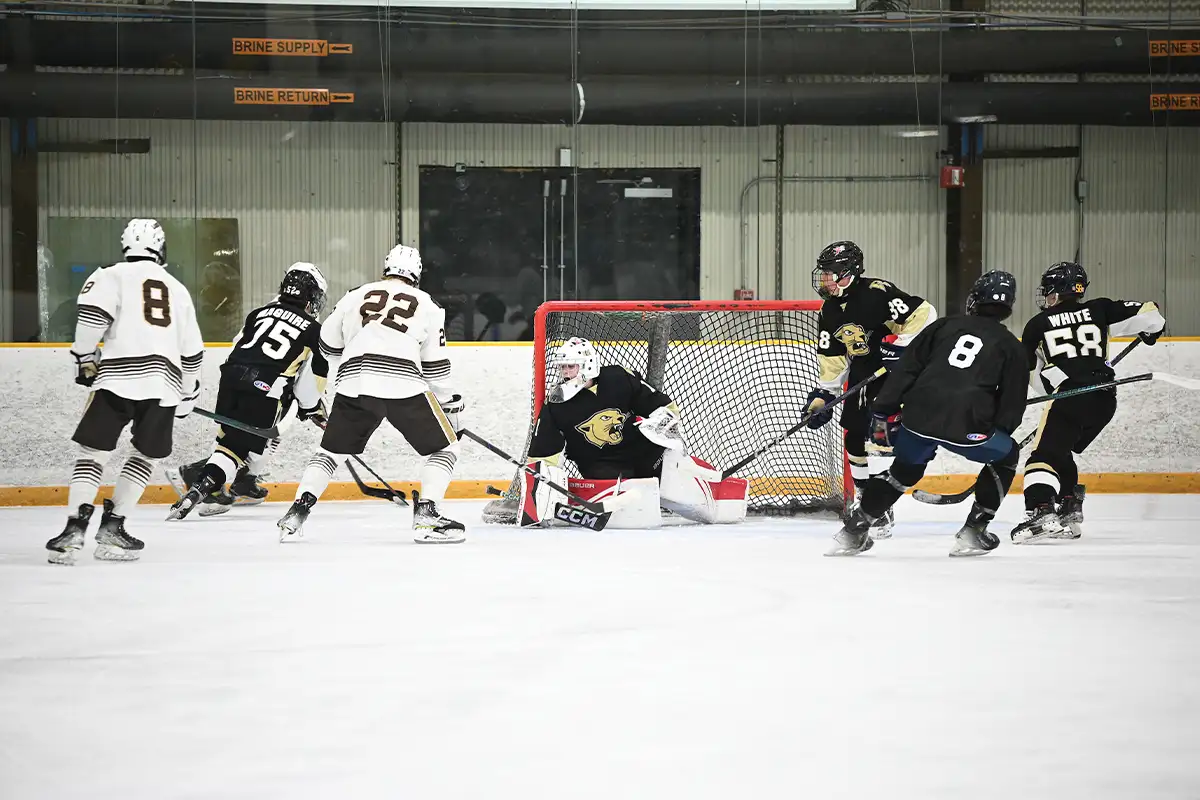
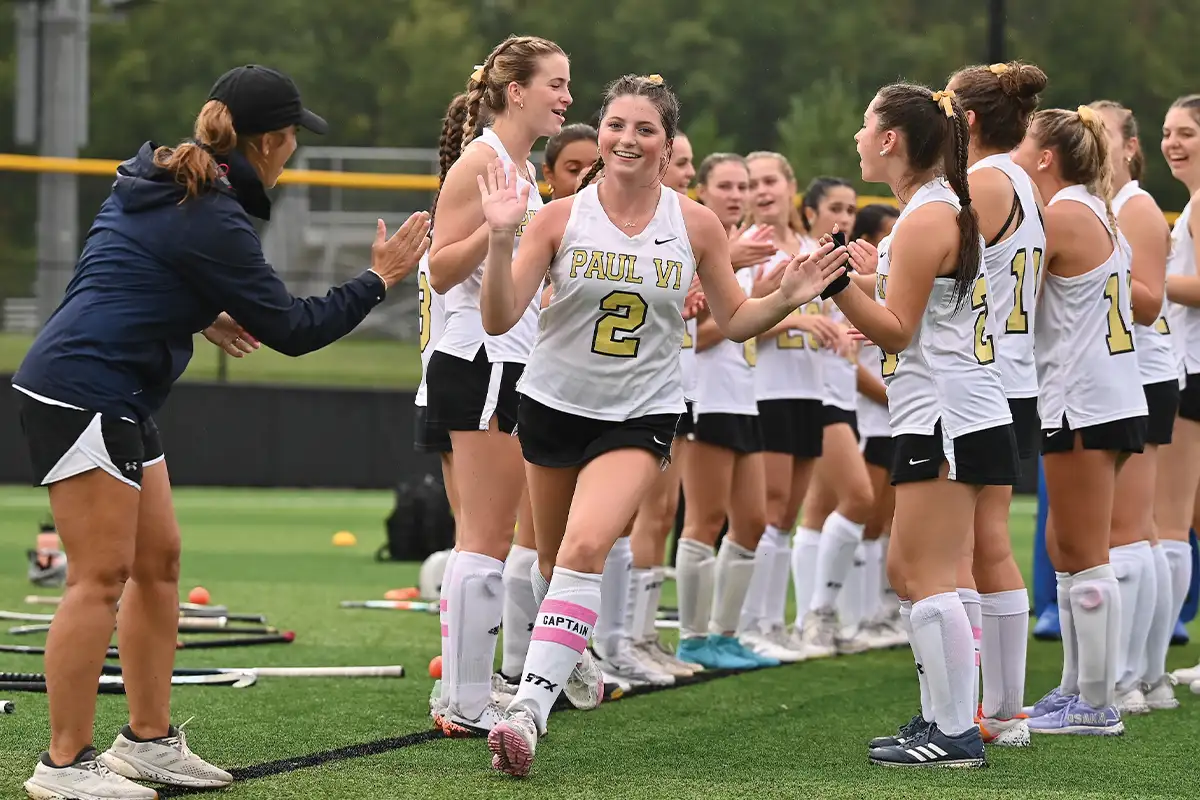
In Chantilly, St. Paul VI Catholic High School (PVI) was recognized by data analytics firm Niche as the third best high school in Virginia for athletics. PVI’s athletic director and head baseball coach, Billy Emerson, says that athletics are a major part of the school’s culture and are wrapped into the everyday experience for its students. Emerson says about 60 percent of PVI students play at least one sport per year — and about 40 percent play two.
“Athletics are a major part of our school community here, and they always have been. And the biggest reason is because our athletic program operates as an extension of the mission of our school and the mission of our church,” he says. “Participation in extracurricular activities like athletics helps develop a lot of the skills for kids to be successful academically and to be successful otherwise — learning things like teamwork and time management — and being a part of something that’s just bigger than yourself.”
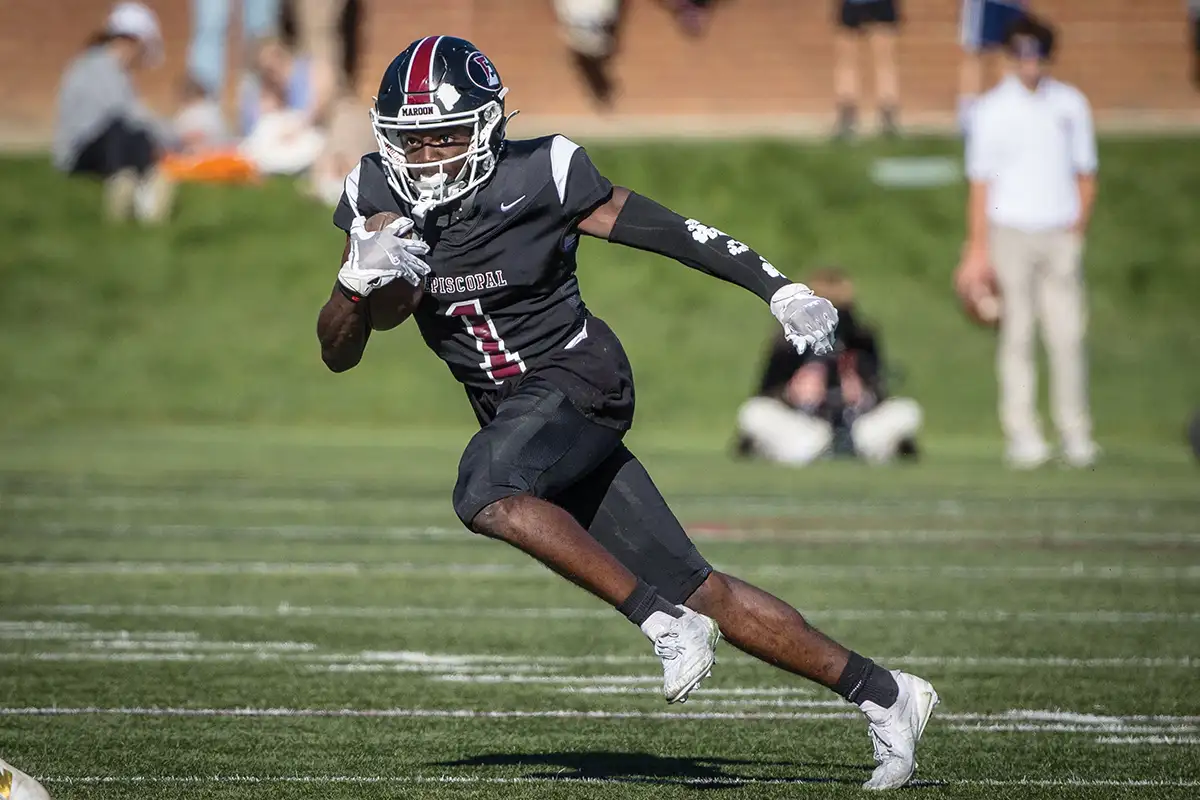
Staff at Episcopal High School, a boarding school in Alexandria, mirror that sentiment. There, every student participates in athletics of some kind — some competitive, some noncompetitive — during a designated two-hour block for activities daily. Athletics director Jen Fitzpatrick says 60 to 71 percent of students take part in interscholastic sports each season.
The school takes an approach to athletics that Fitzpatrick calls “co-curricular” rather than “extracurricular,” meaning it’s more ingrained into the school experience than one might experience in a public school.
“They’re all student athletes. It’s part of who we are and what we do and how we see education,” Fitzpatrick says. By having that block period, physical fitness, teamwork, and school spirit are all consistently built into the school culture.
Special Opportunities
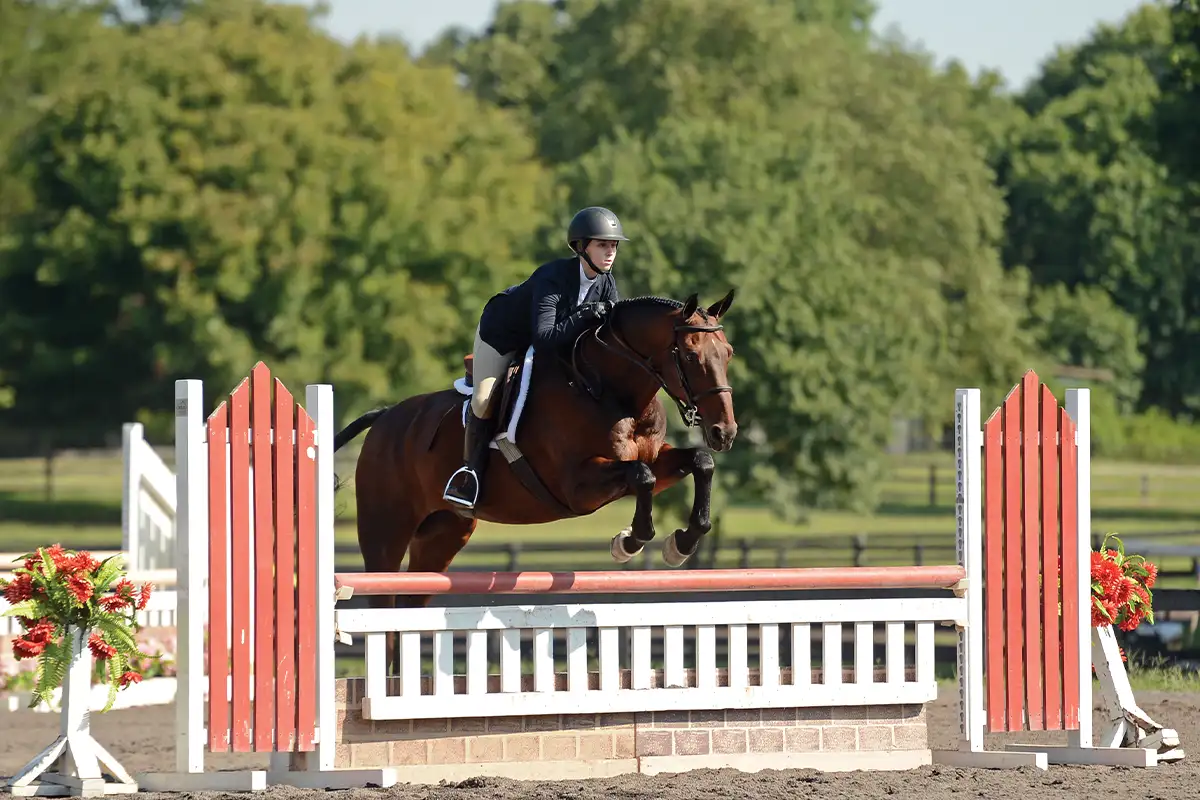
Some NoVA private schools also offer niche athletic opportunities such as crew, rock climbing, cricket, and horseback riding. The Madeira School in McLean, for example, has a renowned equestrian program where girls can learn to ride, take care of horses, take part in national competitions, and join a varsity equestrian team.
“We have students that will come to us of all different levels, all different backgrounds,” says Ian McCartney, director of equestrian programs. “We have beginner riders all the way to national champions, and then we also are very intentional in building a supportive team culture.”
Students in the program spend at least two days a week with the horses, and some choose to spend far more than that. McCartney says it helps students de-stress and teaches them compassion and responsibility. And some even further incorporate that passion into their studies by taking internships related to equestrian care.
Support and Resources
Along with the commitment of time and attention these schools offer student athletes, they also have facilities and resources to help them succeed.
For example, the equestrian program at Madeira comes with a 30-stall courtyard stable, two outdoor and one indoor riding ring, and an equine treadmill. And it’s in the process of a $10 million large-scale renovation of its equestrian facilities that’s expected to be complete in summer 2026.
PVI moved to a new campus six years ago, and the facilities they now have — like two turf fields, a lit stadium field, an eight-lane track, and an indoor gym and weight room — “rival a lot of college facilities,” Emerson says.
But, he says, the facilities aren’t what drives a great program. “It comes down to the people. It’s the people in the school. It’s the leadership of the school. It’s the leadership in our athletic program, of all of our coaches, and how we do things that create that success.”
At Episcopal, the support team for student athletes includes coaches, plus “athletics trainers, strength and conditioning coaches, and athletic administrators who work collaboratively with classroom teachers,” says Fitzpatrick. The school recently added a position to its college counseling team specifically focused on helping athletes navigate the college recruiting process. About 20 percent of the senior class will go on to play collegiate sports, she says.
Attracting Top Talent
High-performing teams, top-of-the-line facilities, and the availability of niche sports can all contribute to a student’s decision to attend a specific private school.
And, because private school populations aren’t divided into geographical school districts the way public schools are, there’s more room for schools to recruit some of the best athletes in the area.
In Virginia, all public high school sports are managed by the Virginia High School League, which prohibits athletic recruiting. In contrast, there are many different organizations and leagues that oversee private schools. Most private schools in the state belong to the Virginia Independent Schools Athletic Association (VISAA), then there are leagues like the Washington Catholic Athletic Conference and Interstate Athletic Conference, which can include schools in Maryland or DC as well as Virginia.
Rules on the practice of recruiting vary by league. For example, VISAA schools can’t reach out to a student first for recruiting purposes. But the practice of recruiting itself is not prohibited, so the ability to draw students from a larger geographical area means potential for better players and, in turn, more competitive opponents within the league.
But, despite a common misconception, recruiting does not equal scholarships for athletics. “There is this perception of athletic scholarships just kind of being thrown around, and that’s actually not how most schools operate,” Fitzpatrick says. In many cases, if a private high school offers scholarships, they will be based on holistic academic merit or financial need, not on athletics.
Ultimately, the goal of these schools is to give students the skills they need to succeed, on and off the field. Athletics are just one piece of the puzzle.
“We’re striving to win and striving for our kids to do well and our teams to do well, but the point of this place is to provide a great Catholic education that’s going to prepare kids for the next steps in their lives,” Emerson says of PVI. “That’s the driving focus of our school.”
Historic Rivalry
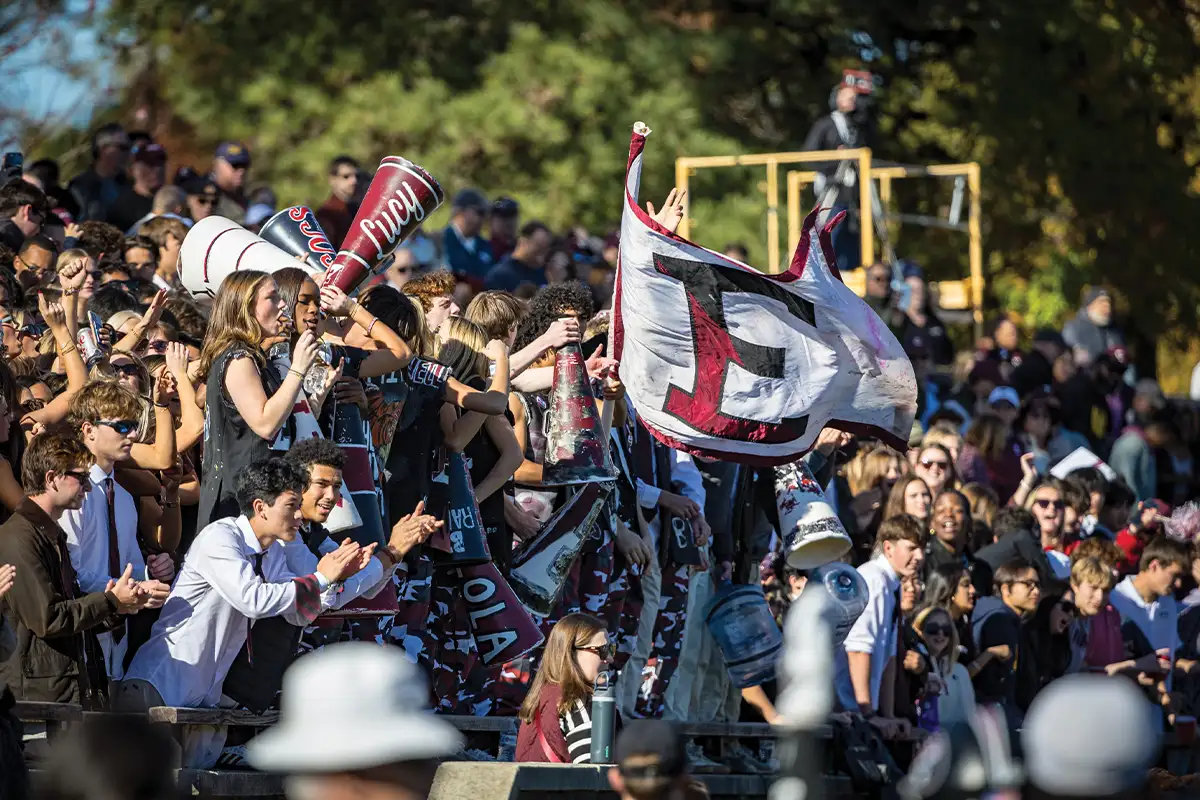
Episcopal High School and Woodberry Forest School are part of one of the longest-standing high school football rivalries in the country, dating back to 1901. The annual football game happens each fall, and students, alumni, and families show up in droves. “The energy around that spirit week and spirit weekend, when our football team plays Woodberry, is kind of elevated to a different level,” says Jen Fitzpatrick, athletics director at Episcopal.
Feature image courtesy St. Paul VI Catholic High School
This story originally ran in our November issue. For more stories like this, subscribe to Northern Virginia Magazine.