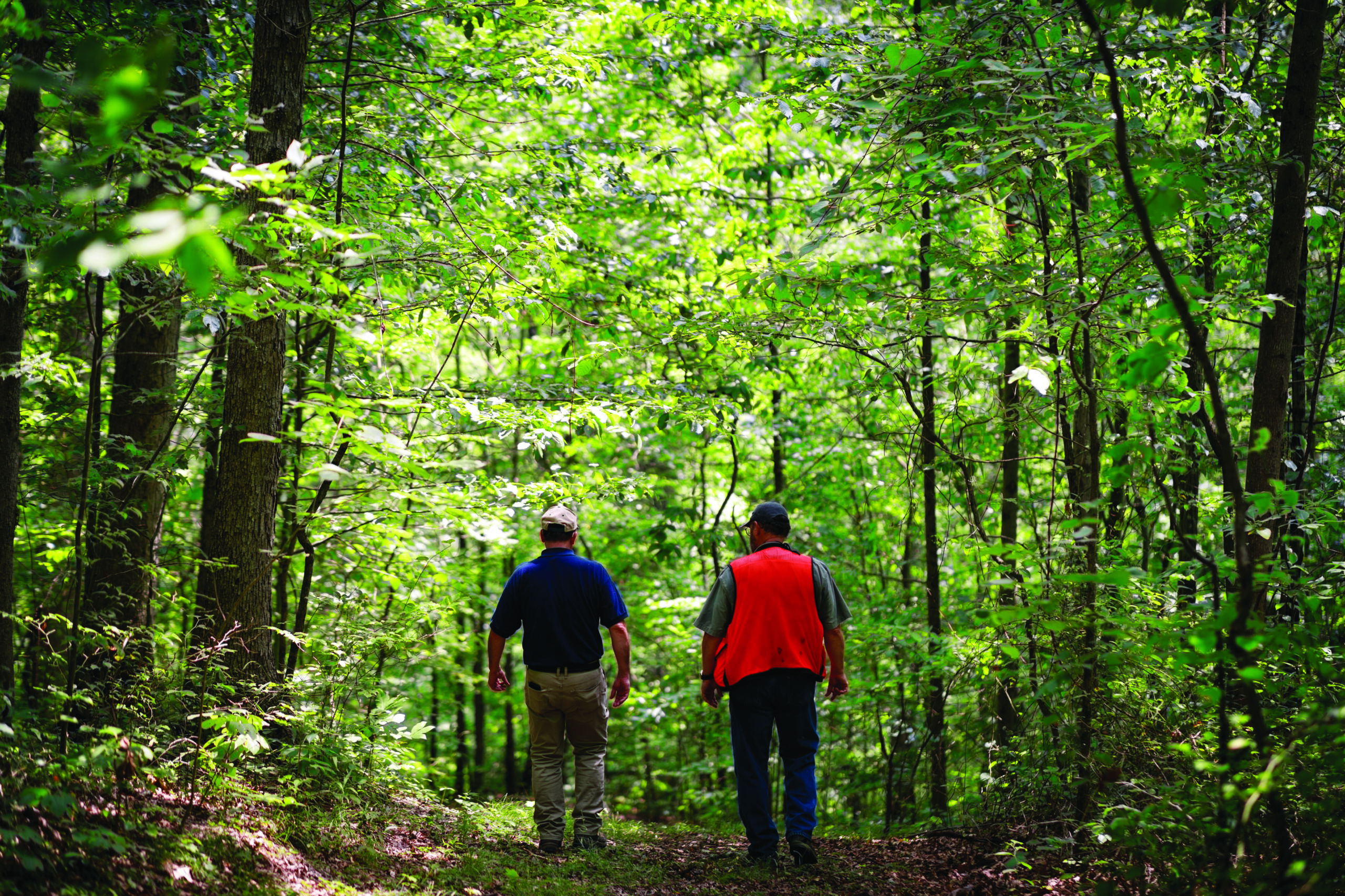
Private forest owners in Virginia have a powerful tool to help them manage their woodlands responsibly while earning income. The Family Forest Carbon Program (FFCP), developed by the American Forest Foundation (AFF) in partnership with The Nature Conservancy, provides landowners with financial incentives and expert forestry support to improve the health of their forests.
Traditionally, small forest owners have been excluded from the carbon credit market due to the high costs of setting up a program and the need for large tracts of woodlands. FFCP changes this by allowing landowners with as little as 30 acres to enroll their forests in a program that rewards improved forest management techniques. By following best practices such as invasive species control and extended growth cycles, landowners enhance carbon storage, which in turn generates verified carbon credits. These credits are then sold to companies working to reduce their carbon footprints, creating an additional revenue stream for forest owners.

Landowners who enroll in the Family Forest Carbon Program retain full ownership, privacy, and usage rights to their land, including recreation, firewood collection, and other commercial activities such as maple syrup production.
For landowners, FFCP is more than just a financial opportunity — it is also a resource for expert guidance in forest management. Through the program, participants receive tailored advice from professional foresters, helping them tackle challenges such as invasive species, degraded soil quality, and wildlife habitat improvement. Additionally, FFCP stimulates local economies by bringing investment into rural communities, supporting both landowners and the consulting foresters they work with.
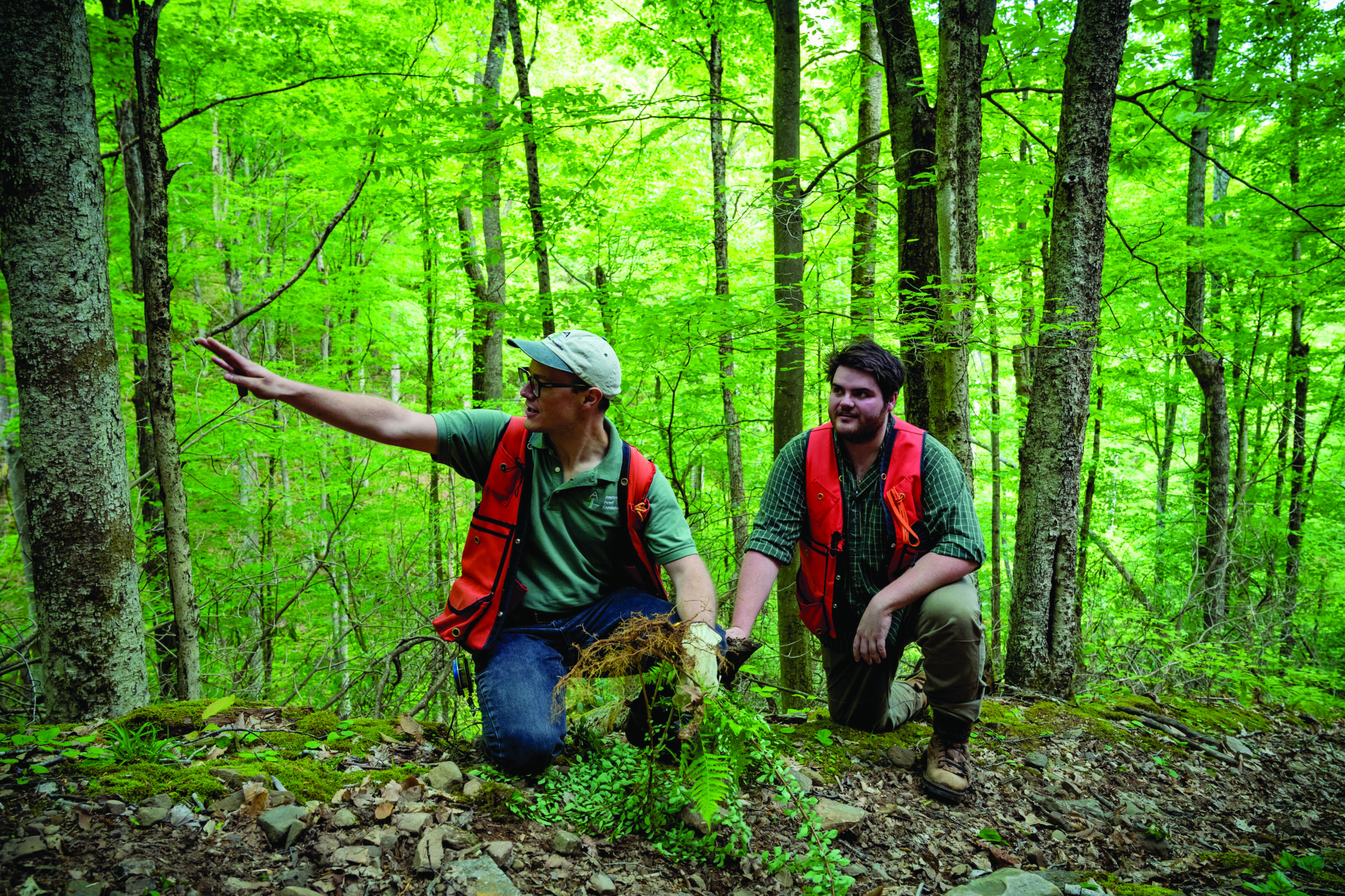
“It’s rewarding to see landowners engage in sustainable practices, knowing that their forests will remain healthy and productive for future generations.” says Aimee Tomcho, a staff forester with the American Forest Foundation. “The Family Forest Carbon Program helps them take practical steps toward responsible land management while also offering financial benefits.”
Since its launch, FFCP has enrolled over 160,000 acres of forestland across the United States. The program is particularly relevant for Virginians, where private land ownership plays a crucial role in overall forest health. Small landowners collectively manage millions of acres of forests, making their participation vital to the responsible management of natural resources.
The Buck family, who owns forestland in Pennsylvania, emphasizes the personal fulfillment that comes with responsible forest management. “There’s a personal pride in being able to do things ourselves and take responsibility for the way we care for the land here.” Buck says. “I have always wanted to convey that to my children, and they’re very conscious of sustainability, renewability, and good long-term stewardship in general — being good custodians of the land.” Managing the property has been hard work, but he feels fortunate that he gets to do it. “I have never lost a minute of sleep thinking it was a bad deal; I’ve just been so grateful to have this opportunity. It’s a very rewarding experience.”

Landowners interested in enrolling in FFCP can check their eligibility and learn more at familyforestcarbon.org.
Feature image courtesy The American Forest Foundation
This is a sponsored post. If you are interested in advertising with Northern Virginia Magazine, click here.