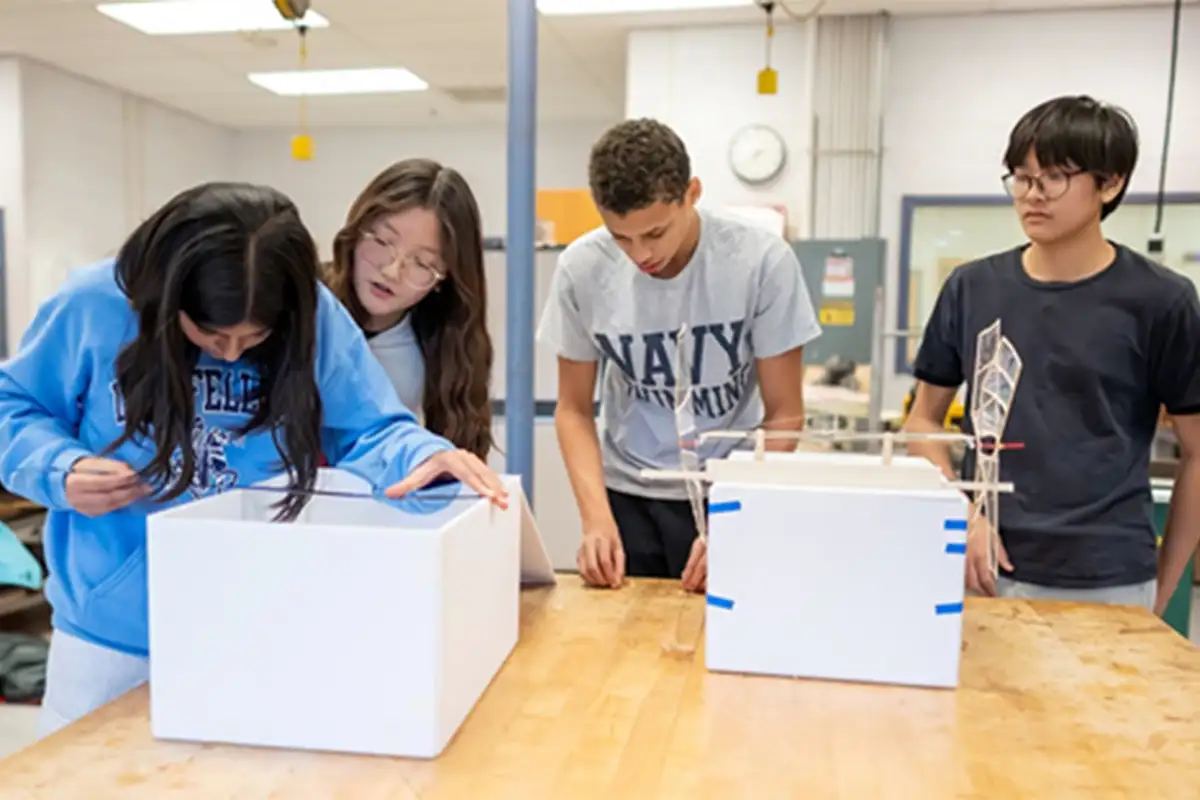
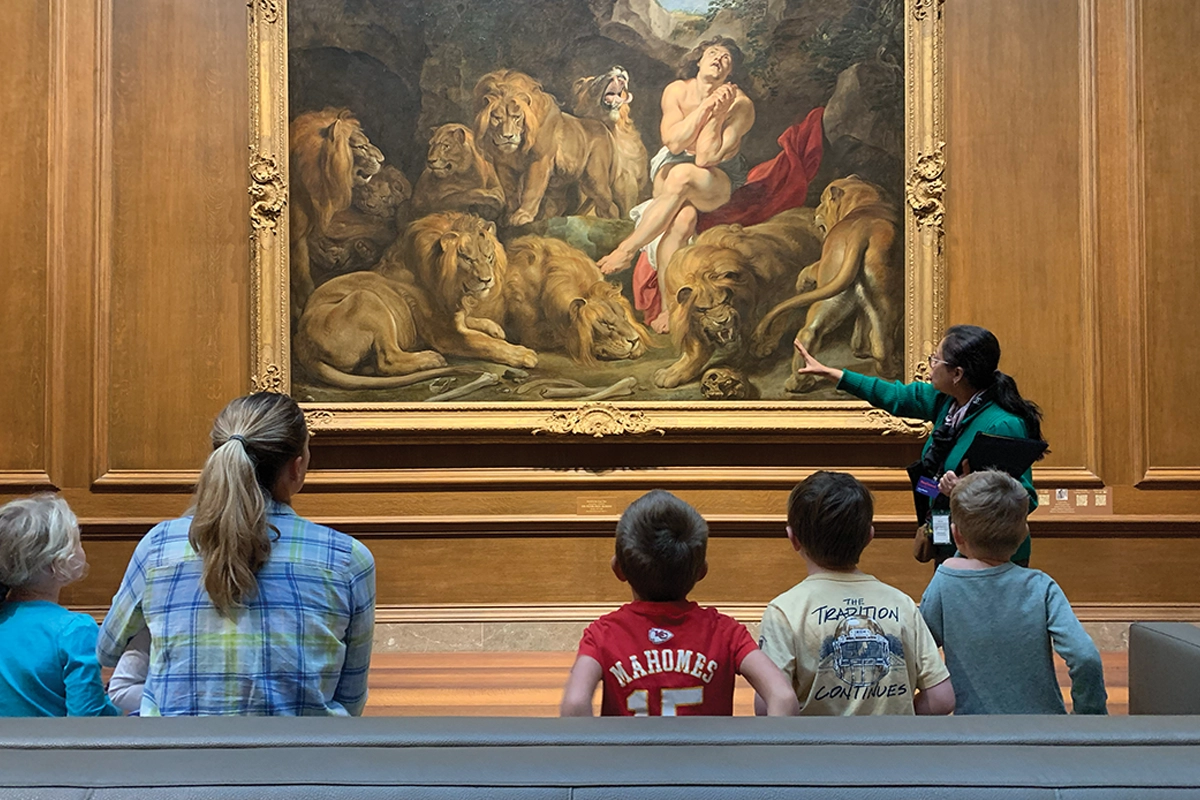
On a typical school day, some NoVA students aren’t sitting at desks. Homeschooled kids might be exploring the wildlife in their backyard, looking at historical artifacts in museums, or creating artwork. And despite common misconceptions that homeschooled students are isolated or under-socialized, there’s a broad, diverse community of families in Northern Virginia who are contradicting those stereotypes and pursuing education on their own terms.
The Decision to Homeschool
Parents may decide to homeschool for a variety of reasons. For some, it might be driven by a desire to spend more time together as a family. For others, a child’s specific academic and developmental needs indicated that they needed more one-on-one attention than a typical school could provide.
Many families made the decision during the COVID-19 pandemic, when students’ classes shifted online. In the 2019–2020 school year, there were 38,282 homeschooled students in Virginia. In 2024, that number jumped to more than 56,000.
Shardé Burdine, a homeschooling mom and the communications director for the Northern Virginia Secular Cooperative (Nova Scoop), says she decided to homeschool her sons because she wanted more autonomy in the way her kids were being taught.
“We started with the virtual schooling [during the pandemic], and that just didn’t work for my family. My children have neurodiversities, and sitting in front of the screen and trying to focus was just so difficult for them,” Burdine says. “So then I was trying to supplement by being like, ‘OK, well, we can work together on these programs, and we can sit down at the computer and do it.’ And then the more I did that, it was like, being here at the desk isn’t necessarily working.”
That’s one of the key misconceptions about homeschooling: Despite the name, for many families, it very rarely takes place at home. Instead, homeschooling in the Northern Virginia area happens in museums, recreation centers, historical sites, and at supplemental classes or homeschooling cooperatives throughout the region. Those co-ops bring homeschooling kids together a few times a week for field trips and lessons in everything from math and reading to art and theater.
“I laugh sometimes — I’m like, we’re homeschooling, but we’re not at home so much of the time,” Burdine says.
A More Flexible Model
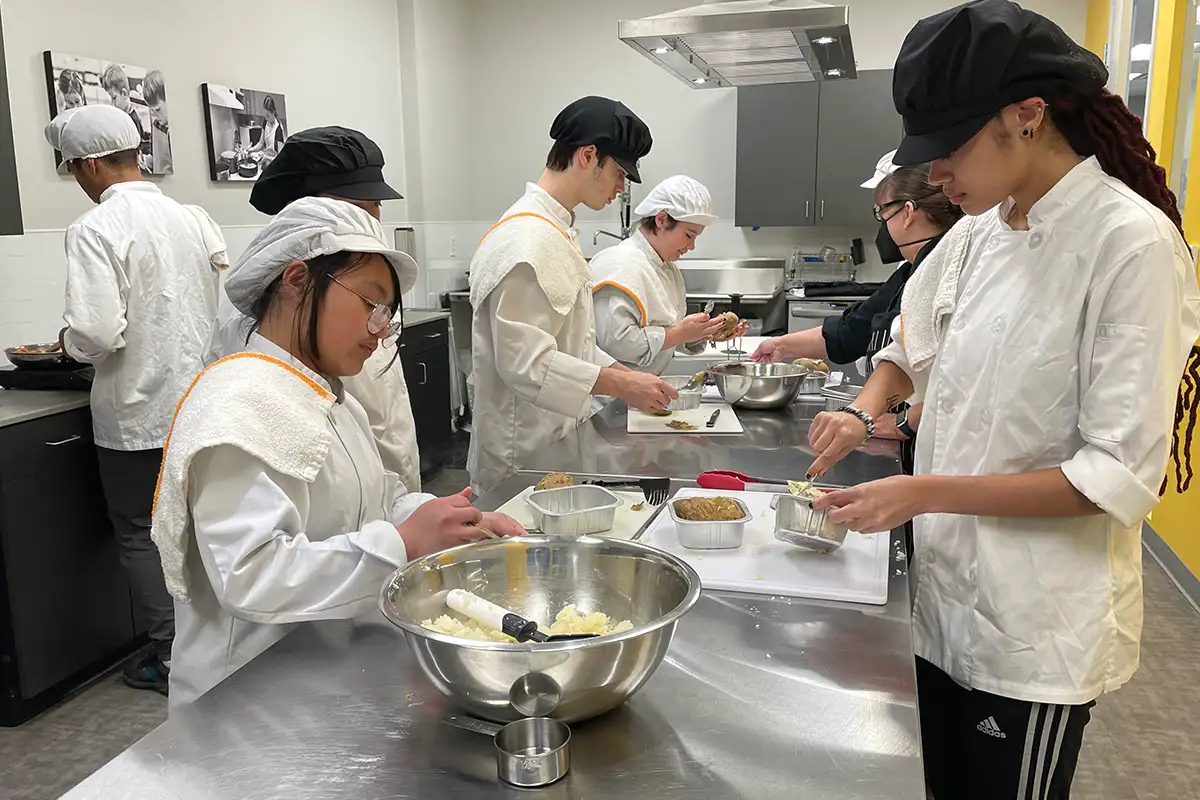
There are many options for cooperatives and classes in NoVA that provide extra support for homeschool families. The models often vary. NovaScoop, for example, prides itself on being a “true cooperative,” which requires parent participation, while Herndon-based Compass Homeschool Classes has drop-off options for older kids.
Some meet just once a week or month, while others meet more regularly. Some are religious, some secular. But the core difference between co-ops and traditional schools is the level of individual choice embedded into the process.
“Homeschool families are looking for an educational package for their children that they can customize,” says Jenny Grove-Bradshaw, the founder and director of Compass Homeschool Classes. “We’re learning that one-size-fits-all does not really fit much of anybody. And so homeschool families are looking to customize for their child’s interests, for their learning style or the level where they are at that time.”
Cooperatives can introduce more flexible, adaptable setups with mixed age groups, shorter lesson times, smaller class sizes, and more collaborative learning methods than traditional schools.
Grove-Bradshaw says that some of her kids were homeschooled because she felt the schools’ advanced programs weren’t meeting their accelerated needs, while others needed more support.
“Particularly since COVID, we’ve seen a lot of students aren’t necessarily operating at grade level in a variety of subject areas, and it gives the teachers flexibility to allow kids to progress at their own pace and to master each skill before being pushed on,” says Lindsay Willmann, a former public school teacher and the founder of the Alexandria Learning Cooperative.
Or for some, it could be that the structure of a typical classroom doesn’t suit their child’s needs. “I felt like, particularly the kindergarten age range, I just didn’t feel like we were ready to be at school seven, eight hours a day. … I wanted him to have more time for play, more time outside to explore the things he’s curious about,” Willmann says of her son.
Social Circles
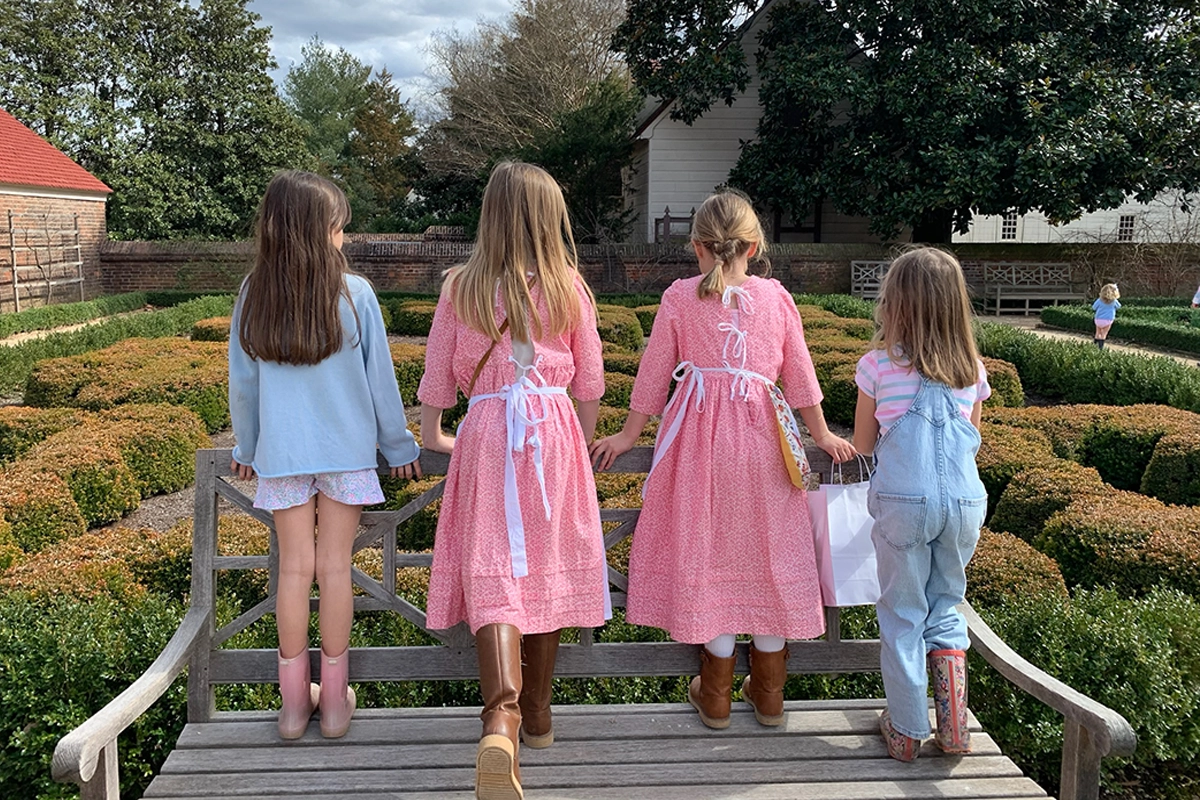
Homeschooling collectives, extracurriculars, and other programs create a tightknit sense of community for students and parents alike. At many cooperatives, parents stay while their kids attend classes, giving the adults a chance to talk, share tips, and build community while the kids learn.
“While the kids are in class, you can socialize with the parents,” says Kristy Clark, the registrar with NovaScoop. “We share curriculums, and we talk about just the difficulties of raising children. And you get a lot of support that way as the parent, not just the students.”
For the kids, when you combine academics with other extracurriculars and activities like sports and art classes, students can have enriching, full educational lives with significant opportunities for socialization.
“Nowadays, we’re lucky that so many people are doing it that you can find community — especially in an area like this, where [homeschooling groups] are popping up everywhere,” Willman says. “We have our co-op, that’s kind of the core. But then we do swim team, we do soccer, you have your neighborhood friends, you have friends that you made in preschool. You still have these networks based on the things you’re involved in as a parent and the things your children are involved in outside of school.”
And when it’s the right decision, it can make all the difference for the child.
“One of the things that we noticed when we started homeschooling was a dramatic change in my children’s mental health,” Burdine says, adding that her younger son, then in first grade, was experiencing bullying when enrolled in a traditional school. “Being home and able to be so present in where he is going for schooling and things, it just helped him open up a bit more.”
“I just think that it’s just not one-size-fits-all — because we’re very much pro public school, actually. I think the teachers all do a wonderful job,” Burdine says. “But it just wasn’t the right fit for our kids’ particular needs.”
Feature image courtesy Alexandria Learning Cooperative
This story originally ran in our September issue. For more stories like this, subscribe to Northern Virginia Magazine.