There could be trees and plants growing right in your yard that are doing harm to their surrounding environment. Here are three common plants that are on the Virginia Department of Conservation and Recreation’s list of invasive plant species — and some possible replacements that are native to the area.
Japanese Honeysuckle
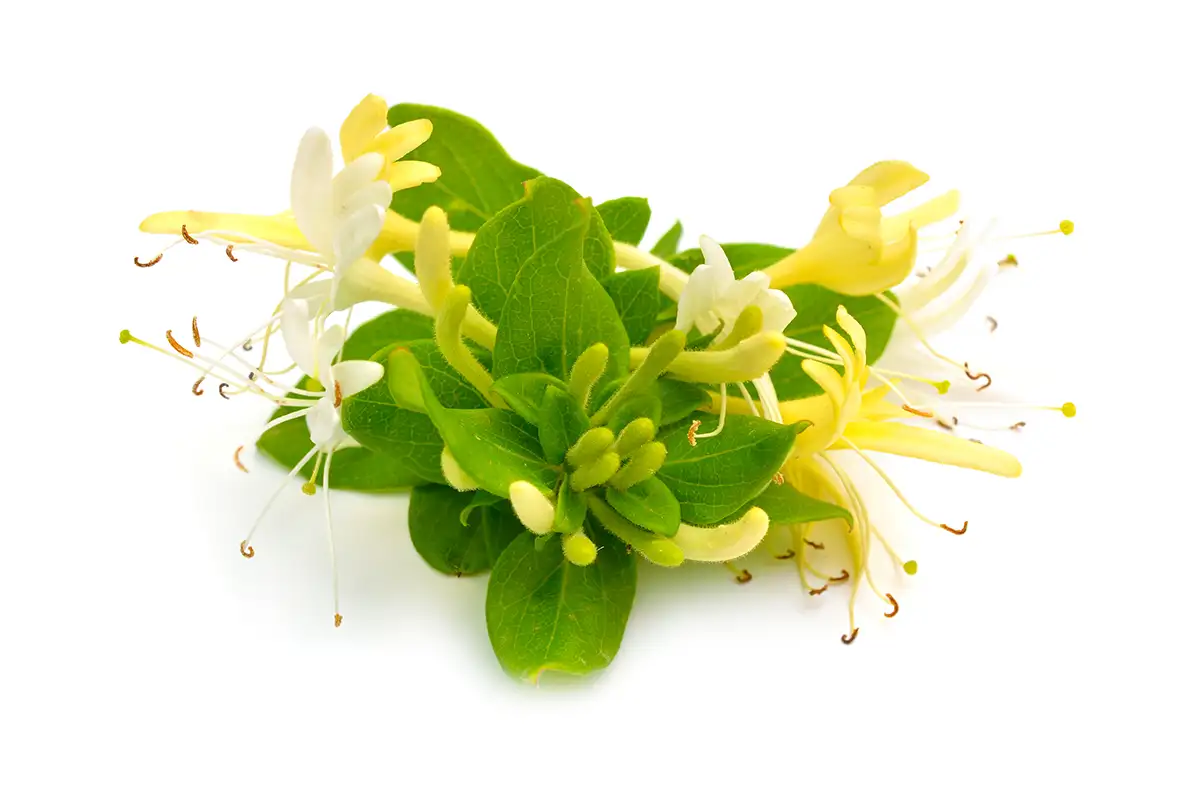
The sweet scent of honeysuckle is a core childhood memory for many, but this climbing vine is ranked high on the invasive species list. It grows quickly and aggressively, and it can choke out other plants.
How to remove: Mow or cut the vines, then apply an herbicide to the cut wood.
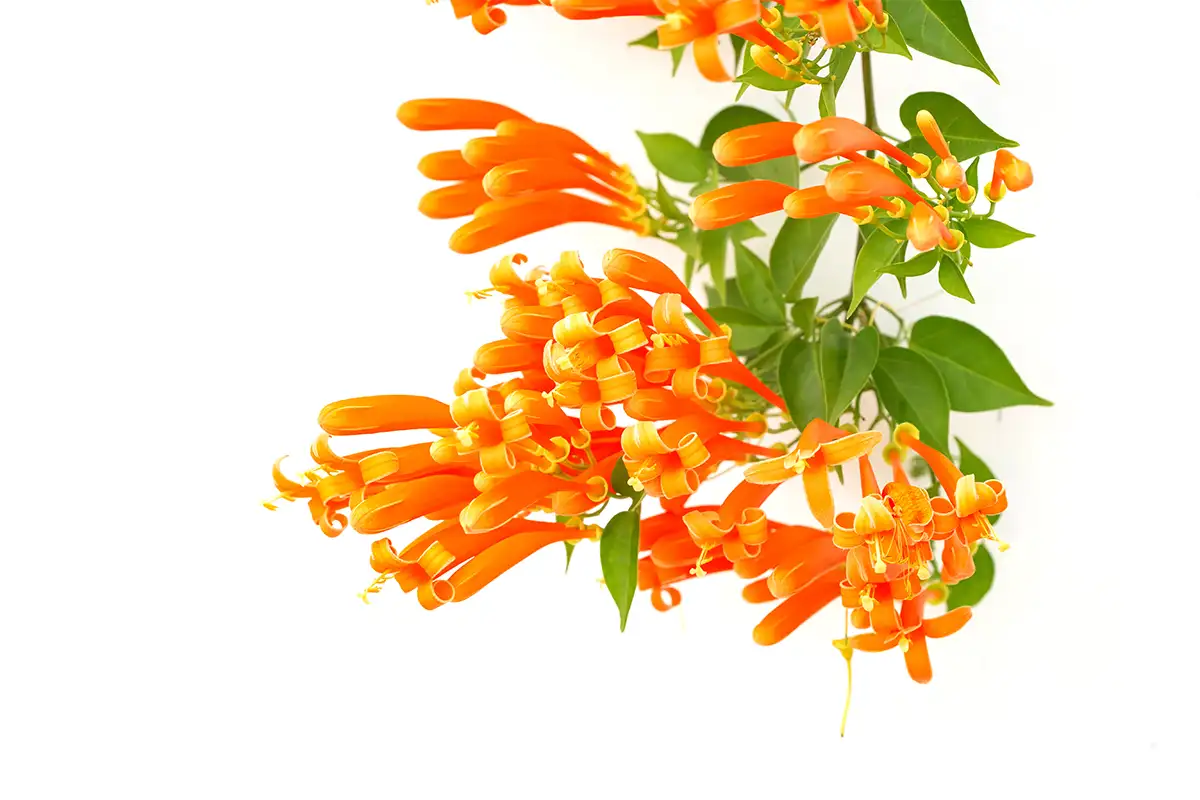
Replacement: Swap out the Japanese honeysuckle for Western honeysuckle, also known as trumpet honeysuckle. The vines produce fragrant flowers that pollinators love.
Callery Pear (aka Bradford Pear)
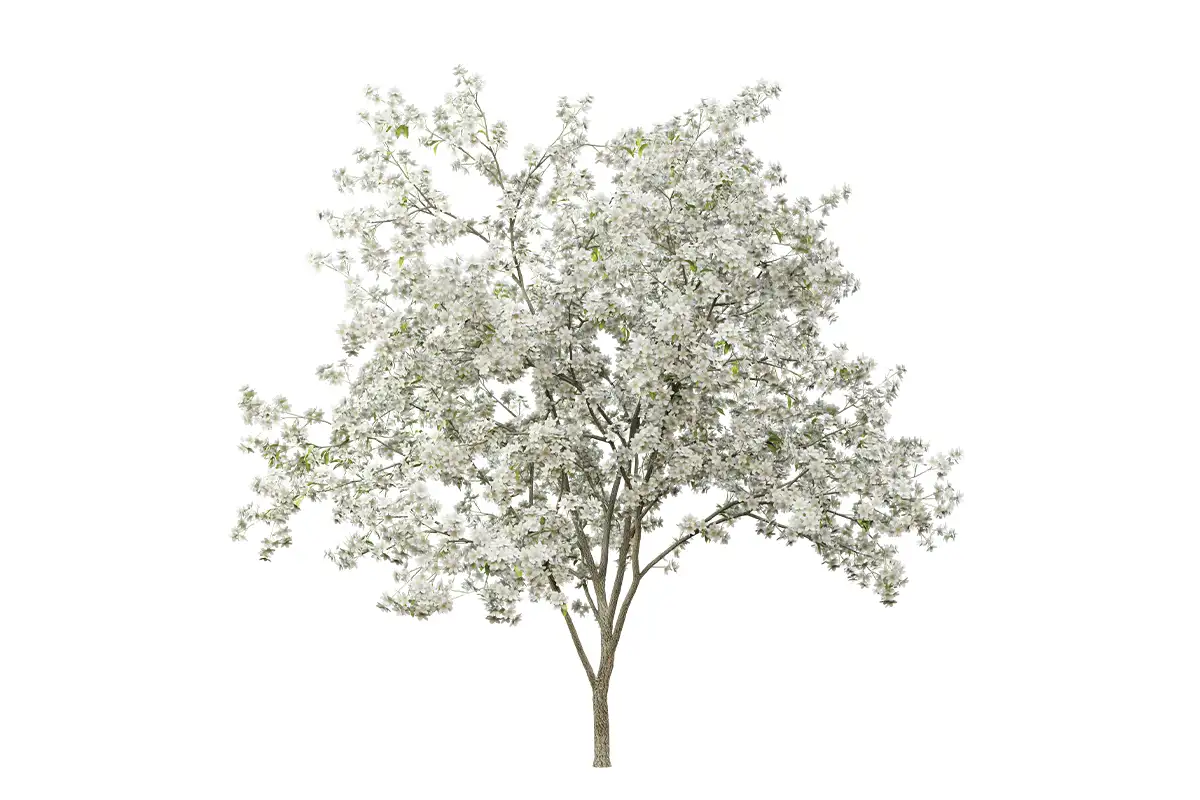
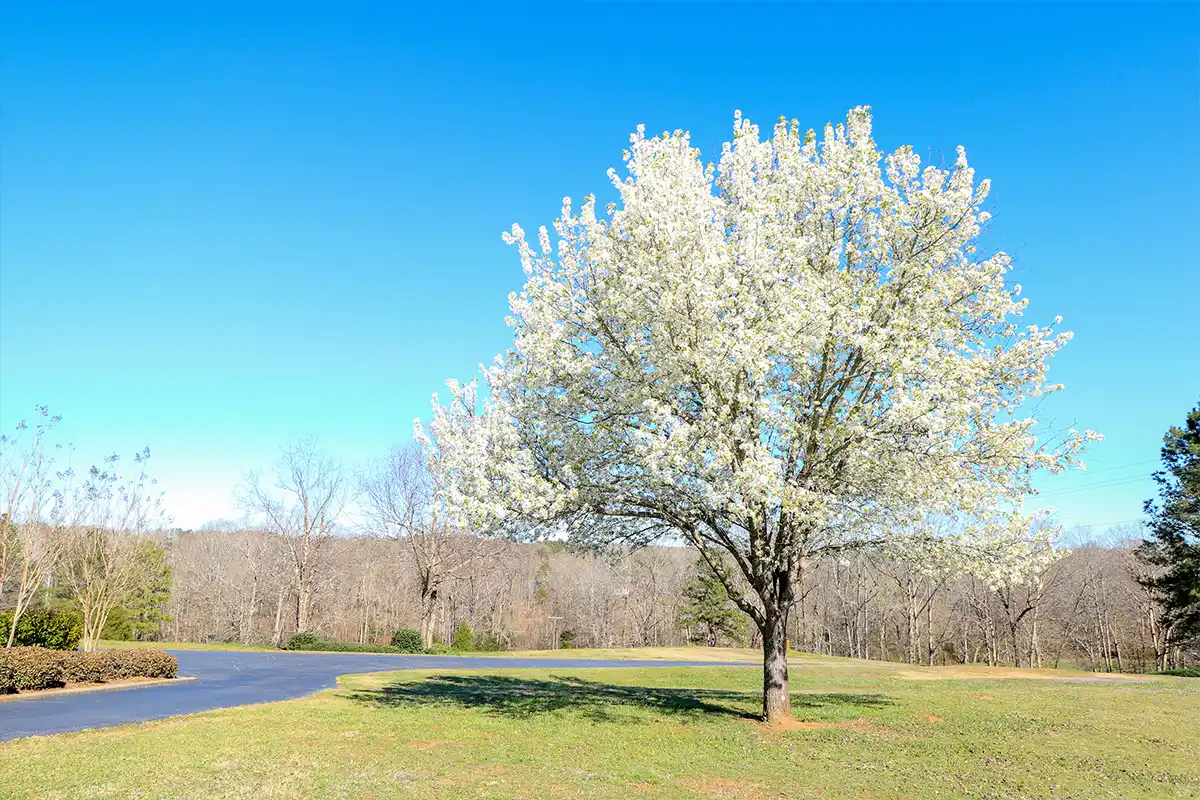
This tree is commonly planted in urban and suburban settings because of its pretty flowers and fast growth, but it spreads aggressively and is structurally weak, leading to frequent fallen limbs.
How to remove: Cut the tree at the base of its trunk, then apply an herbicide to its stump to kill the tree and prevent resprouting.
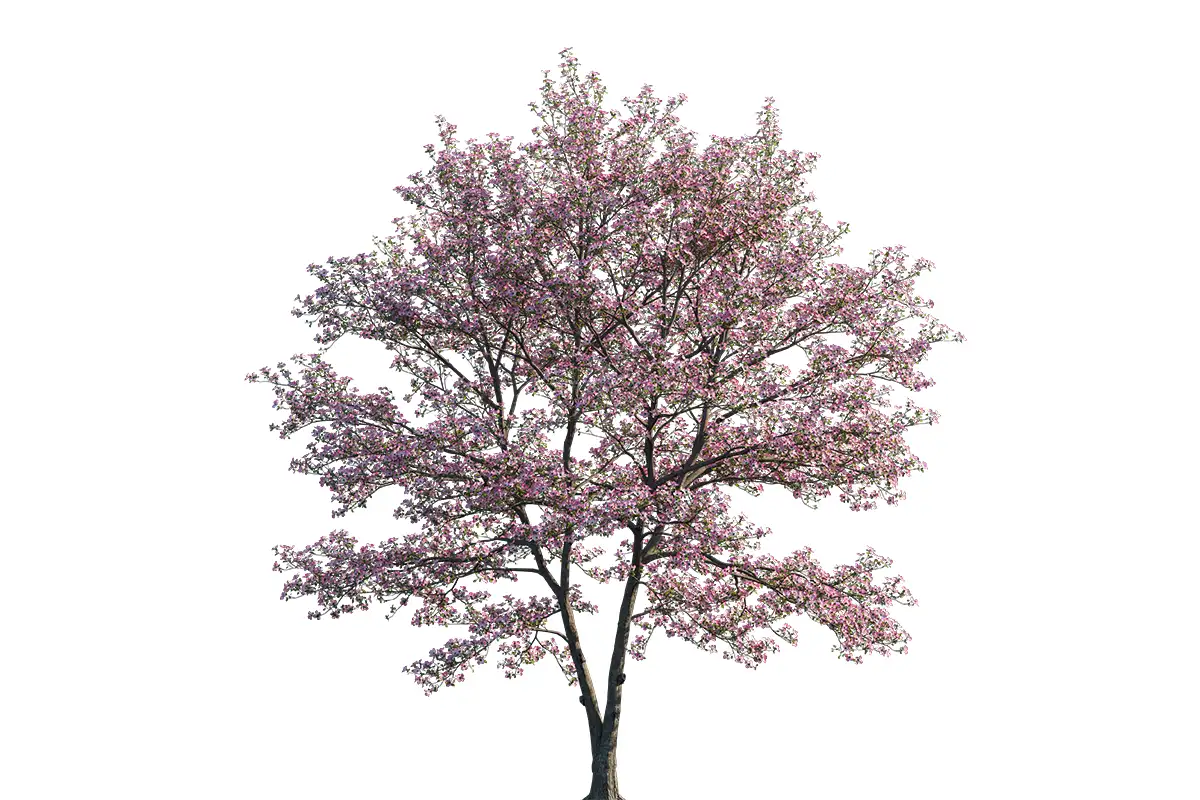
Replacement: Flowering dogwood is a native alternative with pretty white and pink flowers that bloom in the springtime. Bonus: It’s Virginia’s official state flower and state tree.
Tree of Heaven
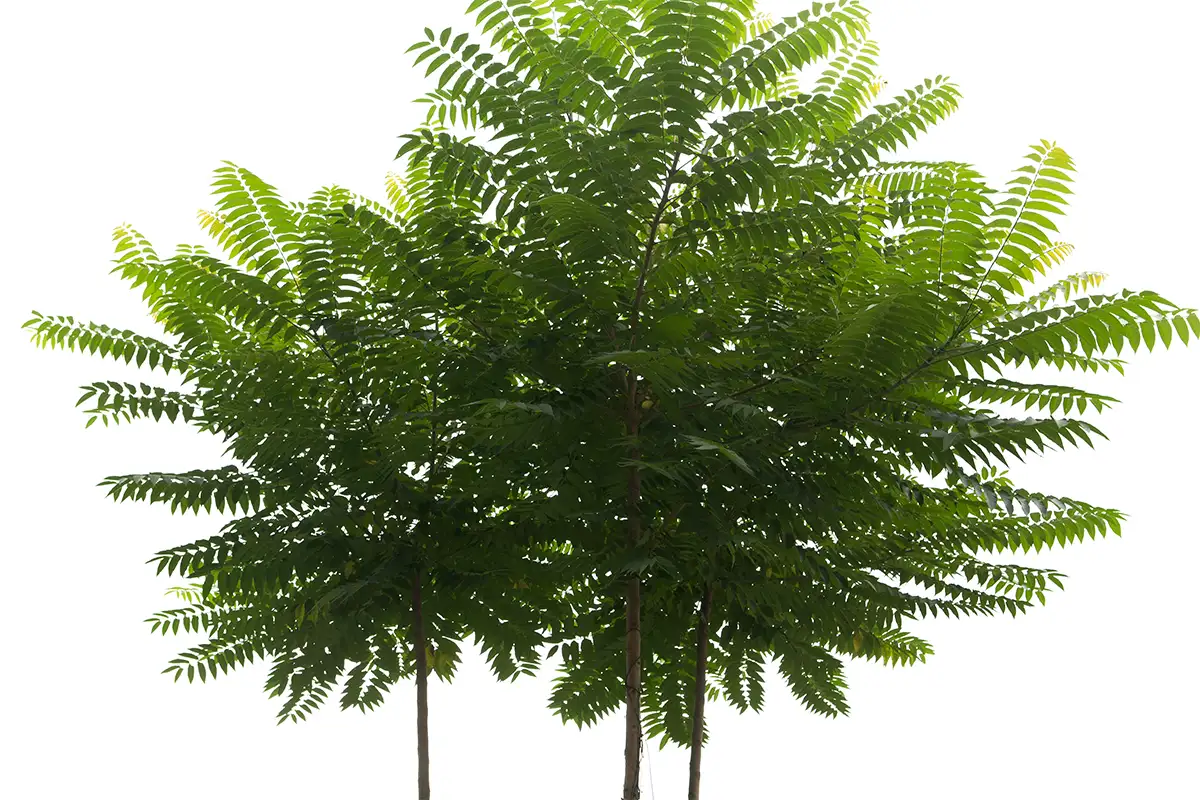
This invasive plant spreads rapidly and can prevent other plants from growing nearby. Plus, it’s known to have a foul smell and is a host plant for the harmful, invasive spotted lanternfly.
How to remove: Cut the tree down as close to the ground as possible, and immediately apply a systemic herbicide. Pull up any sprouts you see. If you mow it down without applying herbicide, it can grow back with a vengeance. Consult your cooperative extension for help.
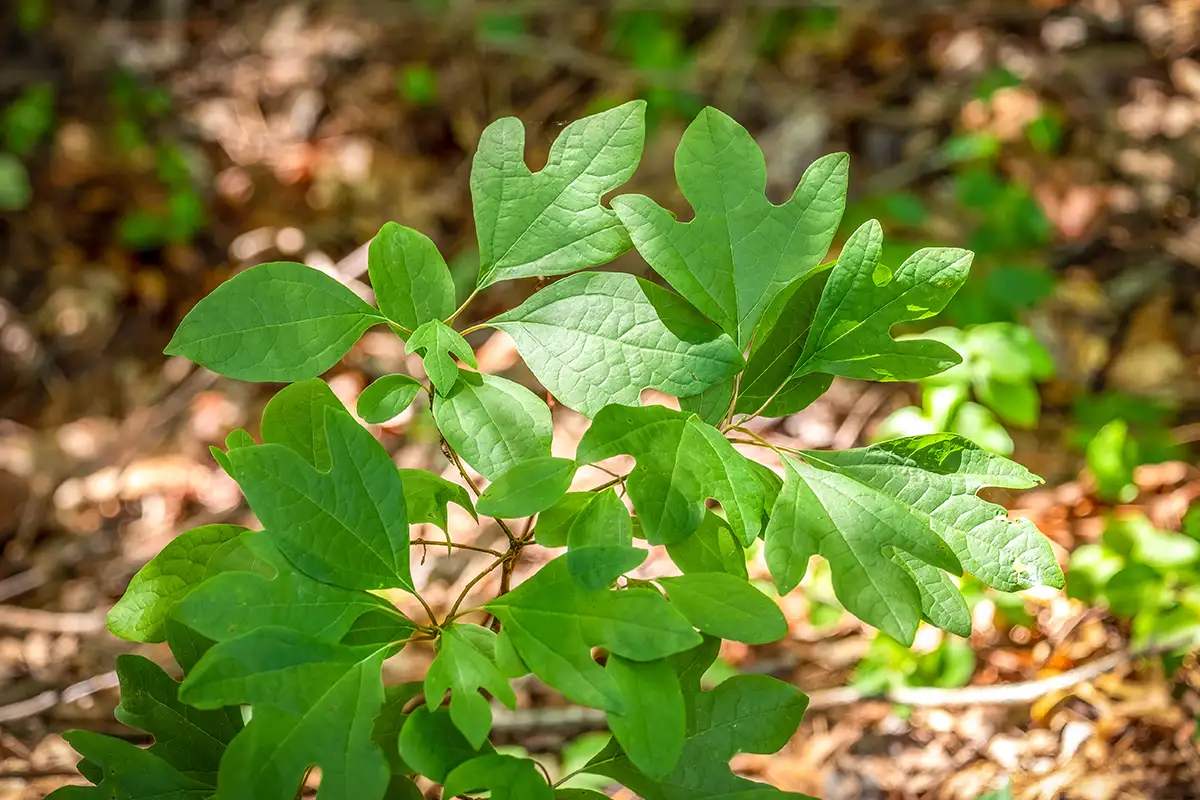
Replacement: Fill the gap in your yard with sassafras, a deciduous tree with fragrant flowers that grows in sun or partial shade.
Feature image of Bradford pear, Jared/stock.adobe.com
This story originally ran in our October issue. For more stories like this, subscribe to Northern Virginia Magazine.