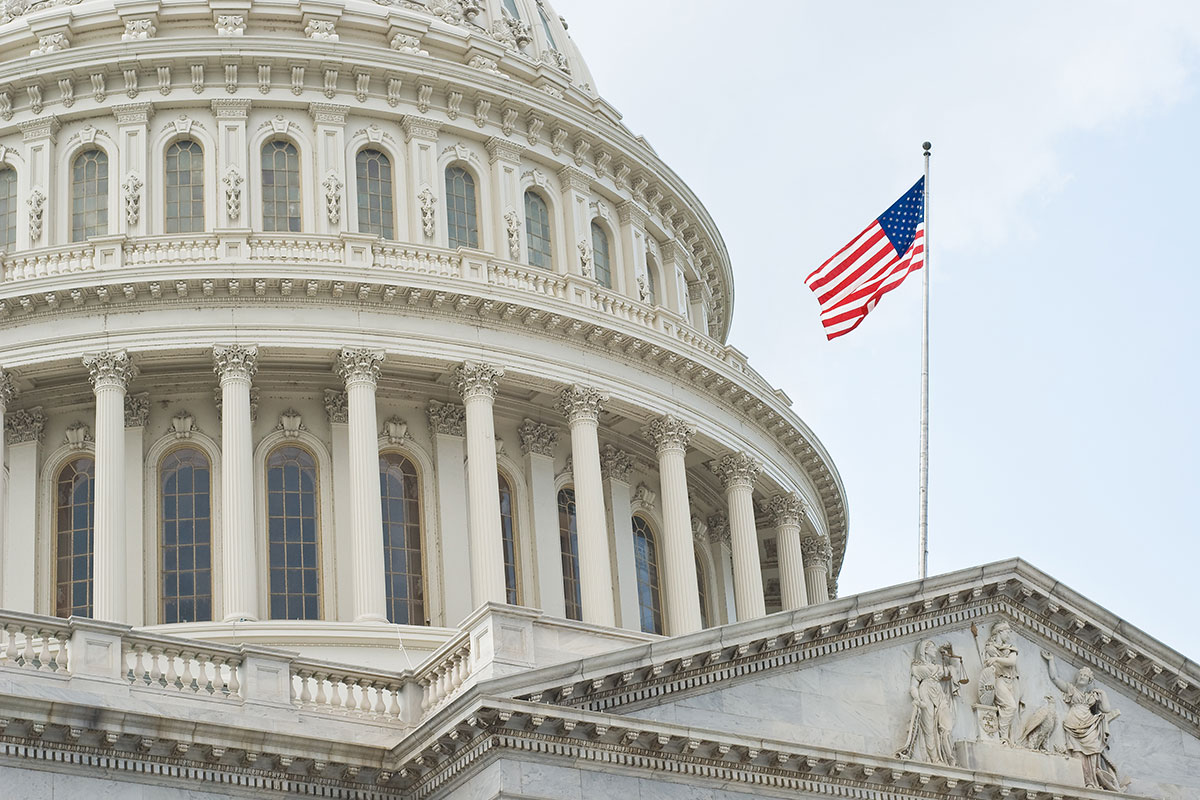
The federal government on Wednesday entered its first shutdown in nearly seven years after lawmakers failed to reach an agreement on a spending deal by the deadline.
Republicans had proposed a measure to fund the government at current measures through November 21. Democrats said they could not support that legislation without changes to health care policies, which Republicans rejected, creating an impasse. The measure failed in Congress Tuesday evening.
The last federal shutdown began in late 2018 — during President Donald Trump’s first term — and lasted a record 35 days.
During a government shutdown, federal agencies stop operations and furlough “non-excepted” employees. Government agencies considered essential will continue to operate. These include federal law enforcement agencies, federal courts, air traffic control and the TSA, and the U.S. Postal Service. Social Security payments and Medicare and Medicaid services also continue.
Essential workers will continue to work, but they don’t get paid until the shutdown is over. Furloughed employees also get retroactive pay after the shutdown.
Economic Impact on DC Region
The DMV has a high concentration of federal workers and government contractors, so shutdowns pose a risk of significant economic impact.
Before the shutdown began, Terry Clower, director of the Center for Regional Analysis at George Mason University, told WTOP that it would be “in many ways unprecedented.” This is due to factors like the loss of 18,000 federal jobs, a decline of 8,500 professional and business services jobs, and a sluggish tourism sector.
Plus, the Trump administration’s Office of Management and Budget has threatened mass firings of even more federal workers during the shutdown, Politico reported. This could put further pressure on an already strained job market.
Other economic sectors like dining and retail could be affected as impacted federal workers slow spending and fewer commuters head to DC. The last shutdown cost the greater Washington region about $1.6 billion in economic activity, research from George Mason University showed.
Museums and the National Zoo
The Smithsonian, including Chantilly’s Steven F. Udvar-Hazy Center, said Tuesday that its museums will remain open to the public through at least Saturday, October 11, using prior-year funds. This includes the National Zoo in DC. Updates will be shared on the Smithsonian’s website.
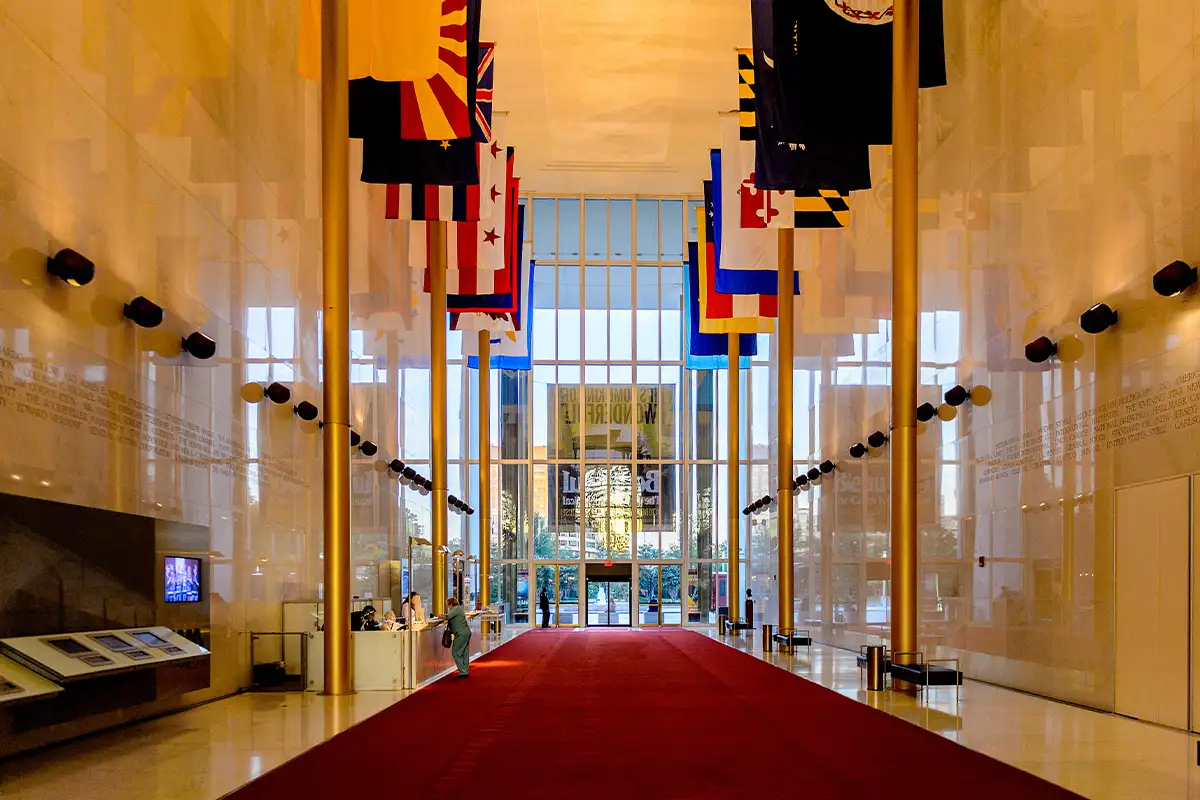
Other federally funded museums, including the National Gallery of Art, the National Museum of the U.S. Army, and the National Museum of the Marine Corps, are currently closed due to the shutdown.
National Parks
The National Park Service announced that it will furlough more than half of its workforce during the shutdown, but “park roads, lookouts, trails, and open-air memorials will generally remain accessible to
visitors.”
The notice said that facilities that collect fees would use remaining funds from entrance fees to provide services like sanitation, trash collection, road maintenance, and law enforcement and emergency operations. Parks that do not collect fees must request to use regional or national fees to provide those visitor services. Parks without accessible areas will not operate.
The parks remained accessible during the 2018–2019 shutdown with no visitor services. This led to damage and trash buildup in many cases. The National Parks Conservation Association issued a statement urging NPS to fully close all parks during this year’s government shutdown. The closure would be to avoid a repeat of the damage that it says “took many parks months, some years, to recover from.”
Feature image, stock.adobe.com