
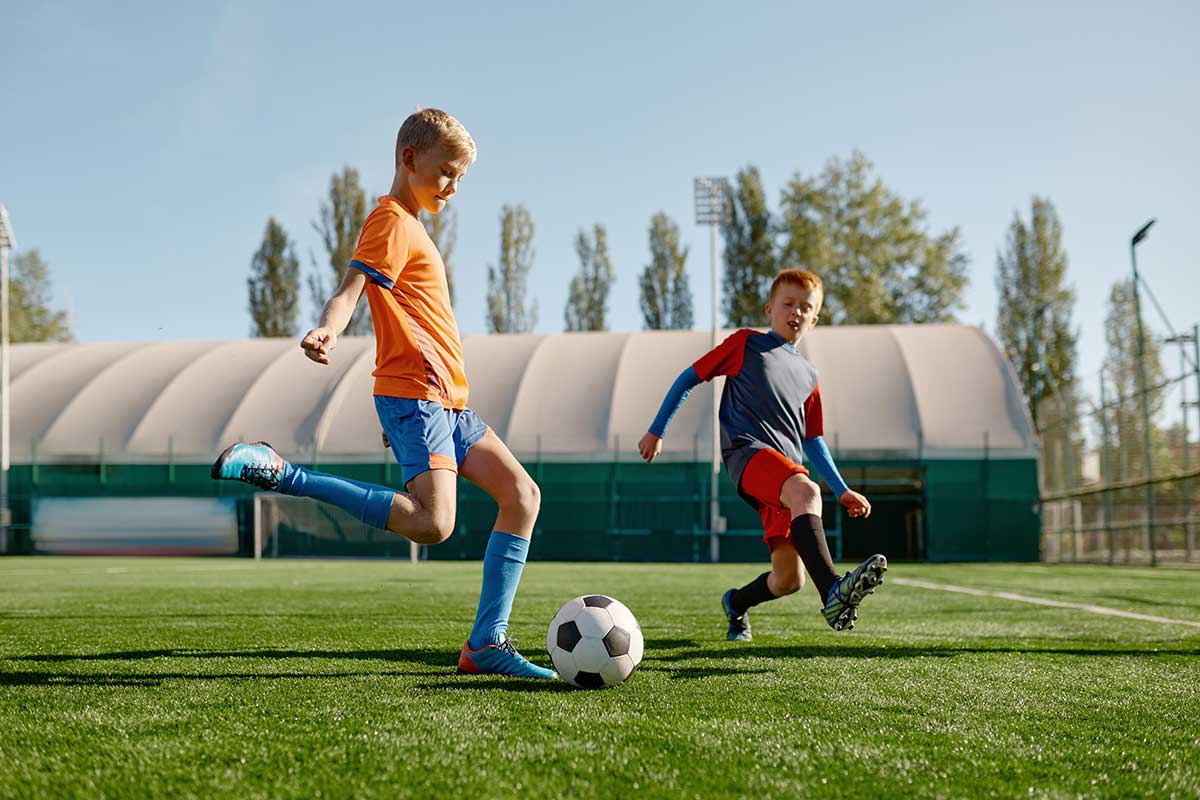
By Keyur Desai, MD, CAQSM, sports medicine physician at Children’s National Hospital
Sports are a great way to stay active, learn discipline and socialize with friends. But the pressure to perform, train year-round and meet expectations can take a toll. Many athletes can suffer symptoms of burnout due to the pressure and commitment required. Burnout leads to a decline in performance, motivation and overall enjoyment of your activities.
Professional athletes, gold-medal Olympians and league All-Stars have all discussed their struggles with burnout. It’s not just you! Learn to detect, prevent, and treat burnout in athletes with the following tips from Keyur Desai, MD, CAQSM, sports medicine physician at Children’s National Hospital.
Recognizing Burnout
Burnout, also known as “overtraining syndrome,” is a combination of physical, mental and emotional exhaustion experienced by athletes. Athletes suffer a decline in sports performance despite training hard. Burnout is a physical, psychological, and emotional condition.
Symptoms of burnout include loss of joy in their sport, loss of motivation, decreased performance, and increased irritability. Some athletes will say, “I am not interested in my sport.” Many athletes get injured easily or take longer to heal.
Treating Burnout
There is no one treatment for burnout. Identifying the main reasons for burnout will help with treatment. Reducing or stopping all training and competition will allow the body and mind to heal and recover. This may be the length of weeks or even a few seasons. During this time, athletes benefit from working with a certified mental health provider that specializes in working with athletes, such as a sports psychologist, to discuss the emotional and mental stress that contributes. Seeing a primary care sports medicine physician during treatment will be critical to discuss when and how to safely return to sports, and how to reduce the risk for future burnout.
Preventing Burnout
There are many things you can do to reduce the risk of burnout. The most important thing is to have a culture of listening and being supportive so that your athlete feels safe in sharing these feelings and concerns. Younger athletes should avoid focusing on one sport, known as “sport specialization,” and instead play multiple sports. Children who play only one sport from a young age face high risks of injuries and suffer from burnout in larger numbers.
Athletes should have a break between seasons. Once per year, athletes should have an extended amount of time off from their primary sport. Additionally, athletes should use time away from sports to find other interests and passions like art, reading, or other tasks that bring joy and challenge the mind or body.
Taking care of your child’s mental health regularly, such as by working with a therapist, journaling and meditating, may also help prevent burnout. Finally, focusing on the fun of sports and athletics is also important. Simply put, you should enjoy what you are doing! If you stop finding joy in it, soon it will become something you no longer want to do.
When To See a Doctor
It is very common to feel scared, ashamed, worried or other deep feelings when athletes experience burnout. If you’re worried your child is experiencing burnout, it’s important to see a physician trained to diagnose and evaluate it. Find a board-certified primary care sports medicine (PCSM) physician – a doctor with specialized training in caring for athletes and active individuals. They can help work with you to identify resources you may need, what to do with your training and fitness schedules, and ultimately when and how to return fully.
Feature image, stock.adobe.com